A furnace is one of the most important parts of a home heating system. It keeps indoor spaces warm and comfortable during cold seasons. However, like any mechanical equipment, furnaces do not last forever. Over time, they lose efficiency, require frequent repairs, and may stop working properly. Knowing the warning signs can help you decide when it is time to replace your furnace before it completely fails. How to Tell if you Need a New Furnace?
In this guide, you will learn how to tell if you need a new furnace, the common signs of furnace failure, and when replacement becomes the best option.
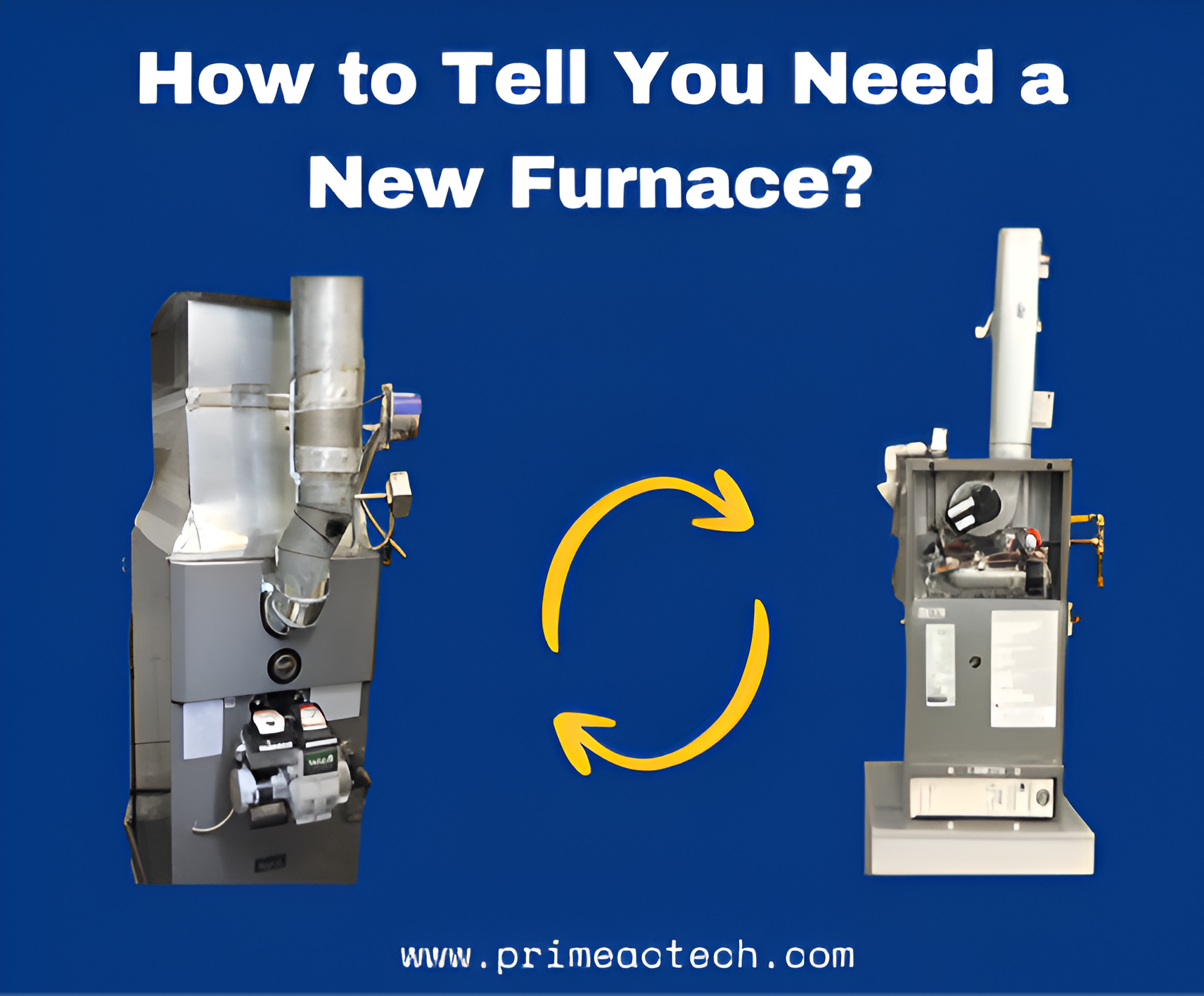
1. Your Furnace Is More Than 15–20 Years Old
Age is one of the biggest indicators that you may need a new furnace. Most residential furnaces typically last between 15 and 20 years with proper maintenance.
If your furnace is already in this age range, it may still work but its efficiency drops significantly. Older furnaces also use more energy compared to modern high-efficiency models. Replacing an old furnace can improve heating performance and reduce energy consumption.
2. Frequent Furnace Repairs
Another clear sign that you may need a new furnace is frequent repair issues. If your furnace requires service several times during the heating season, the cost of repairs can quickly add up. Common problems such as ignition failure, blower motor issues, or thermostat malfunctions can indicate that the system is reaching the end of its lifespan. Instead of continuously spending money on repairs, many homeowners choose to invest in a new furnace that offers reliable performance and lower maintenance costs.
3. Rising Energy Bills
A noticeable increase in heating bills can signal that your furnace is losing efficiency. As furnaces age, internal parts become worn and the system must work harder to produce the same amount of heat. This extra effort leads to higher energy consumption and increased monthly costs. If you notice that your heating bills continue to rise even though your usage habits have not changed, it may be time to consider replacing your furnace with a newer and more energy-efficient model.
4. Uneven Heating in Your Home
Uneven heating throughout your home is another common sign of a failing furnace. You may notice that some rooms feel warm while others remain cold or uncomfortable. This problem often occurs when the furnace cannot distribute heat evenly through the duct system. Aging components, reduced airflow, or declining heating capacity can all contribute to this issue. When uneven heating becomes a regular problem, replacing the furnace may restore consistent comfort throughout the house.
5. Strange Noises Coming from the Furnace
While furnaces normally produce a low humming sound during operation, unusual or loud noises can indicate mechanical problems. Sounds such as banging, rattling, squealing, or grinding may suggest loose parts, worn bearings, or other internal issues. These noises often become more frequent as the furnace ages and components begin to fail. Ignoring these warning signs may lead to more serious damage, so it is important to have the system inspected if unusual sounds appear.
6. Yellow Burner Flame Instead of Blue
The color of the furnace burner flame can also reveal potential problems. A properly functioning furnace usually produces a steady blue flame, which indicates efficient combustion. If the flame turns yellow or flickers, it may signal incomplete combustion or ventilation issues. This situation can be dangerous because it may allow harmful gases, including carbon monoxide, to accumulate in the home. If you notice a yellow flame, it is important to contact a professional technician immediately to inspect the furnace.
7. Poor Indoor Air Quality
An aging furnace can also affect indoor air quality. Over time, dust, dirt, and other particles may circulate through the heating system if the furnace no longer filters air effectively. This can lead to increased dust levels in the home and may cause allergy symptoms for some people. Additionally, older furnaces may produce unusual odors when operating. Installing a new furnace can improve air circulation and help maintain a cleaner and healthier indoor environment.
8. Furnace Runs Constantly
If your furnace seems to run continuously but still fails to keep your home warm, it may be losing its heating efficiency. A furnace that operates for long periods without reaching the desired temperature is often struggling to keep up with heating demands. Continuous operation not only increases energy consumption but also puts extra stress on system components. Over time, this can lead to additional wear and possible breakdowns.
9. Visible Rust or Cracks in the Furnace
Physical damage to the furnace is another serious warning sign. Rust, corrosion, or visible cracks in the furnace structure can weaken important components and create safety risks. In particular, cracks in the heat exchanger may allow dangerous gases to leak into the home. Because of the potential health hazards, a furnace with significant structural damage should usually be replaced rather than repaired. How to Tell if you Need a New Furnace?
Frequently Ask Question
Why does my furnace make unusual noises?
Unusual sounds such as banging, rattling, or squealing often indicate mechanical wear inside the furnace. These noises may come from loose components, a failing blower motor, or aging internal parts. If the noises continue or become louder, the furnace should be inspected by a qualified technician.
How can I know if my furnace is reaching the end of its life?
One of the easiest ways to tell is by checking the age of the furnace and observing how it performs. If the system is more than 15 years old and begins to show problems such as weak heating, strange noises, or frequent repairs, it may be nearing the end of its service life. A professional inspection can help confirm whether replacement is the best option.
What happens if I continue using an old furnace?
Using an old furnace for too long can lead to several problems. The system may consume more energy, provide inconsistent heating, and break down unexpectedly. In some cases, worn components can also create safety concerns. Replacing the furnace at the right time helps avoid these risks and ensures reliable heating.