It is necessary to have the right amount of refrigerant in your air conditioner (AC) in order to maximize efficiency, lower energy costs, and prolong the overall life of the system. If the refrigerant level is too low or not appropriate, you may experience poor cooling performance, excessive electricity bills, and a compressor failure. This comprehensive guide provides information on how to check the refrigerant levels in your air conditioning system, the tools you will need for this task, safety precautions to follow, and common mistakes that you may encounter while doing this. How to check Refrigerant level in AC units.

What Is Refrigerant and Why Is It Important?
Refrigerant is a special chemical that takes in heat energy from the air inside the house and discharges the heat outside the house. It travels continuously in a cycle between the indoor evaporator coil and the outdoor condenser coil. Unlike fuel, refrigerant is not used up in the process; thus, low levels of refrigerant indicate a refrigerant leak in the system. How to check Refrigerant level in AC units.
The air conditioner will not function correctly without the proper amount of refrigerant, and mechanical damage will also occur.
What refrigerant does, is take heat from the air inside your home and move it outside. It does this by continually circulating through the outdoor (condenser) unit and the indoor (evaporator) unit. Unlike fuels that are consumed, a low refrigerant level typically indicates a leak in the AC system.
So, if your air conditioning system does not have the correct refrigerant level, your air conditioner cannot cool properly and may experience excessive wear and tear on its mechanical components over time.
Signs of Low Refrigerant Level in an AC Unit
It is essential to identify the symptoms before proceeding to check the level of refrigerant. Some of the symptoms of low refrigerant include: weak air through the vents. A longer time than usual to cool the area down, ice building up on the evaporator coil. A hissing or bubbling sound from the unit, and abnormally high electrical bills. The most alarming sign of a low refrigerant level is that your air conditioning unit is no longer providing cool air at all. How to check Refrigerant level in AC units.
If you start to see the above signs, then you should immediately check the refrigerant level
Tools Required to Check Refrigerant Level
The only way to properly monitor your refrigerant levels is with the right HVAC equipment. Technicians use a manifold gauge set as the primary tool to check refrigerant levels, measuring both high-side and low-side pressures. They also use digital thermometers to measure vent air temperature and refrigerant line temperature. It is essential to have safety equipment, such as gloves and eye protection, when performing HVAC repairs.
If you are interested in more advanced diagnostic capabilities, professional technicians will often use electronic refrigerant gauges or leak detectors.
Safety Precautions Before Checking Refrigerant
Refrigerant can be dangerous if handled improperly. Before connecting refrigerant gauges, ensure that the AC unit is switched off. Use protection from frostbite and eye injury, such as gloves and goggles. Never vent refrigerant into the air, as it is not only harmful to the environment. But venting refrigerant also legal in many areas.
If you are not certified or do not feel comfortable performing any operations on the refrigerant system. Your safest option would be to contact an HVAC professional who is licensed.
How to Determine Refrigerant Levels with Pressure Gauges
The standard way of determining refrigerant levels is by sampling the system’s pressure.
To check the pressure, first power off your air conditioning system. Next, connect the blue hose of your manifold gauge set to the low side service port and connect the red hose to the high side service port on the exterior unit. After connecting both hoses, turn your air conditioning unit back on and allow it to operate for 10 or 15 minutes before proceeding.
After allowing adequate time for the unit to stabilize within operating limits, take pressure readings from both the low side and high side of the system. Compare the readings with the manufacturer’s specifications. Low suction pressure usually indicates insufficient refrigerant, while excessively high pressure indicates overcharging or inadequate airflow through the system, such as blocked evaporator coils.
Using Temperature Method for Checking level of Refrigerant
An alternative method to determine the amount of refrigerant in a system is to measure the temperature of the refrigerant instead of measuring its pressure. Professionals frequently use this approach, which includes the measurement of superheat and subcooling.
Superheat is applicable for systems using a fixed orifice or capillary tube to feed refrigerant into the evaporator coil of the air conditioning system. Subcooling is applicable for systems using a TXV (thermostatic expansion valve) to feed refrigerant. Technicians can calculate the correct refrigerant charge by accurately comparing the temperature of the refrigerant in the suction line to its saturation temperature and performing the necessary calculations.
The results obtained from this method will provide a better representation of whether or not the refrigerant charge is proper than solely relying on pressure readings.
FAQS
Can You Check Refrigerant Level Without Gauges?
Homeowners can identify signs of a low refrigerant level without gauges by performing basic checks, although these check-ups will be of limited accuracy. Examples of how to identify a low refrigerant level through visual inspection include noticing: warm air coming from vents; ice on the refrigerant line; and/or significantly reduced airflow out of vents.
To accurately measure the refrigerant level, a technician must use professional tools and training to complete this process.
How to add refrigerant to an AC unit?
Add refrigerant to the system only after you find and repair a leak or replace major equipment. Normal operation will not consume refrigerant, so if you find that you need to recharge the system frequently, this is an indication of an active leak.
What Happens If an AC Unit Is Overcharged?
Excessive refrigerant can increase your air conditioning unit’s pressure and thus lower the unit’s cooling performance, potentially leading to compressor damage or failure. Common symptoms of this condition include high head pressure, warm discharge air, and higher than normal system electrical usage.
Always add refrigerant to a system very slowly and monitor the system’s pressure readings closely during this process.
How to Identify the Correct Refrigerant Type?
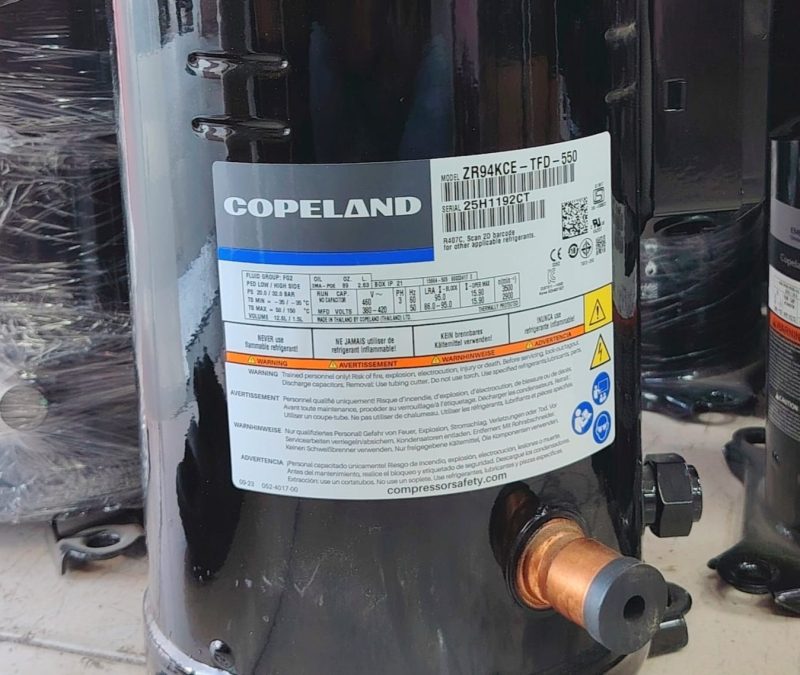
The chlorine-free refrigerant recommended for use in a certain air conditioning system is the R-22, R-410a, or R-32, as referred to on the unit’s nameplate. Do not blend these refrigerants, as this can result in equipment failure and compressor damage.