HVAC is an acronym for Heating, Ventilating, and Air Conditioning. Essentially, it refers to modern technology used to maintain indoor temperature, airflow, humidity, and overall indoor air quality. Today, homeowners and businesses use HVAC systems in residential, commercial, mall, hospital, and industrial buildings. Moreover, these systems ensure comfort, safety, and energy efficiency in various environments. As a result, HVAC technology plays a crucial role in creating healthy and comfortable indoor spaces. What is an HVAC system and How it works?
Heating Heating Systems Provide warmth in indoor environments for cold Weather. Heating Equipment: Furnaces, Boilers, Heat Pumps. Ventilating Ventilating Fresh Air & Remove Stale Air Older Dust in Indoor Environments/Duct System/Bled Fan/Exhausts. Air Conditioners (AC) Cooling Indoor Environment Therefore during hot weather. Cooling Air by removing Heat, and Humidity Uses Compression, Condensing, Evaporation Equipment.
What is the meaning of HVAC?
Every time you turn the thermostat down to make your house warmer during the winter, or higher during the summer, you are using an HVAC system. HVAC stands for heating, ventilation, and air conditioning; it is a complete climate control system that helps keep indoor spaces comfortable, safe and healthy (in homes, offices, hospitals, shopping malls, and factories).
An HVAC system not only controls temperature and manages the flow of air, but also controls humidity and the quality of indoor air, which are all necessary for a comfortable and healthy environment.

What does HVAC Stand for?
HVAC stand for heating, ventilation & air conditions. An HVAC system has three main functions:
1.Heating
Heating systems provide warmth during cold weather. In colder climates, heating is essential for safety and comfort. Even in moderate climates, winter nights can require reliable heating.
| Furnaces (gas or electric): – Use gas, oil, or electricity to generate heat |
| Boilers (hot water or steam systems): Heat water and distribute steam or hot water through pipes |
| Heat pumps: Transfer heat from outside air or ground into the building |
| Electric heaters: Use electric resistance to produce heat |
How does an heating unit work
When the indoor temperature drops below the thermostat setting:
- The thermostat sends a signal to the heating unit.
- The system generates heat.
- A blower fan distributes warm air through ductwork.
- The warm air flows into different rooms.
- The system shuts off once it reaches the desired temperature.
Manufacturers design heating systems to maintain steady and even warmth throughout the space. Heating keeps indoor spaces warm during cold weather. Depending on the system, heating may come from:
2.Ventilation
Proper ventilation improves air quality and prevents mold growth. Ventilation is one of the most important—but often overlooked—parts of HVAC. It ensures proper air circulation and maintains indoor air quality.
Without ventilation, indoor air can become stale, humid, and polluted.
Types of Ventilation
- Natural Ventilation – Open windows and doors
- Mechanical Ventilation – Fans and duct systems
- Energy Recovery Ventilators (ERV/HRV) – Improve efficiency while exchanging air
Good ventilation prevents growth and improves respiratory health.
Ventilation Does the Following:
| Filters dust and allergens |
| Removes odors Odors |
| Eliminates smoke and pollutants |
| Reduces moisture and humidity |
| Brings in fresh outdoor air |
3. Air Conditioning
Air conditioning removes heat and humidity from indoor air. It provides cooling comfort during hot weather and maintains balanced humidity levels.
How does an heating unit work
The cooling process uses a special fluid called refrigerant.
- The thermostat detects high temperature.
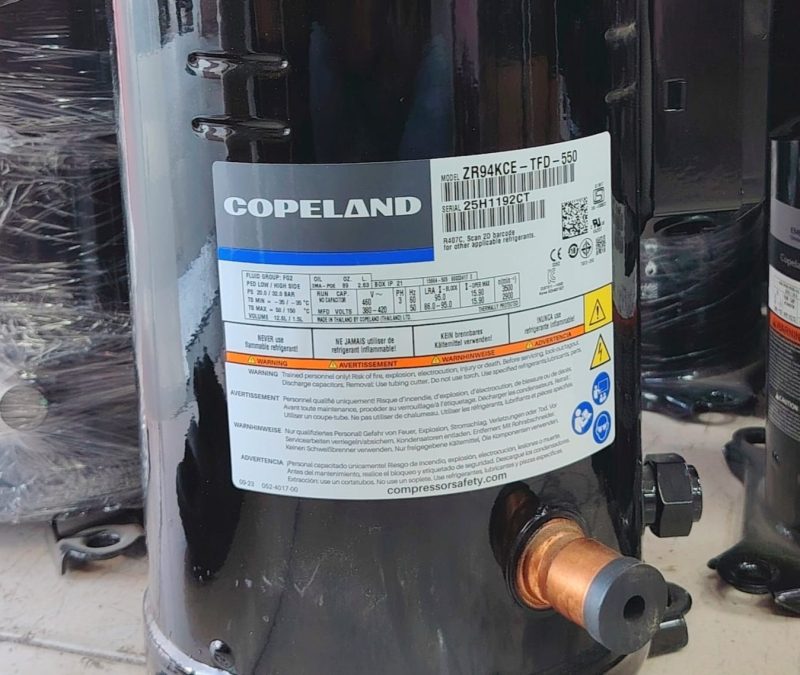
- The compressor pumps refrigerant through the system.
- The evaporator coil absorbs heat from indoor air.
- The blower pushes cool air into rooms.
- The condenser releases heat outside the building.
This cycle continues until the indoor temperature reaches the desired level. Air conditioning removes heat and humidity from indoor air. It keeps spaces cool and comfortable during hot weather. What is HVAC system and How it works.
What is the Main Components of an HVAC System?
1:Split HVAC Systems
Split HVAC systems are the most common type used in residential properties. This system has two main components: an indoor unit (such as a furnace or air handler) and an outdoor unit (air conditioner or heat pump). The indoor and outdoor units work together to provide efficient heating and cooling throughout the home. Split systems are popular because they are reliable, affordable, and easy to maintain. Many well-known brands like Carrier and Trane manufacture high-performance split systems that deliver consistent comfort year-round. What is an HVAC system and How it works?
2:Packaged HVAC Systems
All components required for both heating and cooling in packaged HVAC systems are located in a single outdoor unit. Technicians usually install these systems on rooftops or beside buildings. Because one cabinet houses all components, installers complete the installation more easily and save indoor space. Many property owners choose packaged systems for small homes, apartments, and commercial buildings where space is limited.
3:Ductless Mini-Split Systems
Ductless mini-split systems are a great option for homes without ductwork or for room additions. This system includes an outdoor compressor and one or more indoor air-handling units mounted on walls. Since no ducts are required, installation is flexible and less invasive. Mini-split systems allow individual room temperature control, which improves energy efficiency and comfort. They are also known for quiet operation and modern design.
4:Central HVAC Systems
Central HVAC systems are designed to heat and cool entire buildings through a network of air ducts. These systems distribute conditioned air evenly across multiple rooms, making them ideal for large homes, offices, hospitals, and commercial spaces. Central systems provide consistent indoor temperatures and better air circulation, which improves overall comfort.
5:Heat Pump Systems
Heat pump systems are energy-efficient solutions that provide both heating and cooling. Instead of generating heat, a heat pump transfers heat from one place to another. During summer, it removes heat from inside the home and releases it outdoors. In winter, it extracts heat from the outside air and moves it indoors. Because of this dual function, heat pumps are an eco-friendly and cost-effective choice, especially in moderate climates.
Frequently Ask Questions
1): HOW TO INSTALL AN HVAC SYSTEM?
Installing an HVAC system requires careful planning and professional expertise to ensure safe and efficient operation. First, a technician evaluates the home’s size, insulation, and climate conditions to choose the correct system capacity. Next, they install the indoor unit (furnace or air handler), position the outdoor condenser, and connect refrigerant lines, electrical wiring, thermostat controls, and ductwork if needed. After securing all connections, the system is vacuumed, charged with refrigerant, and thoroughly tested for airflow, temperature control, and safety compliance. Because HVAC installation involves electrical and refrigerant handling, it’s always best to hire a licensed professional to guarantee proper performance and long-term reliability. What is an HVAC system and How it works?
2): HOW TO BECOME AN HVAC TECHNICIANS?
Here is your complete content with smooth transition words and improved flow:
HVAC is an acronym for Heating, Ventilating, and Air Conditioning. Essentially, it refers to modern technology used to maintain indoor temperature, airflow, humidity, and overall indoor air quality. Today, HVAC systems are widely used in residential, commercial, mall, hospital, and industrial buildings. Moreover, these systems ensure comfort, safety, and energy efficiency in various environments. As a result, HVAC technology plays a crucial role in creating healthy and comfortable indoor spaces.
In addition, if you are interested in working in this field, becoming an HVAC technician requires proper education and training. First, you need a high school diploma or equivalent, followed by technical training in heating, ventilation, air conditioning, and refrigeration systems. After that, many aspiring technicians enroll in vocational schools or community colleges to gain knowledge about electrical systems, refrigerant handling, and system installation. Furthermore, gaining hands-on experience through an apprenticeship is extremely important, as it helps develop practical skills under professional supervision. In the United States, technicians must also obtain certification from the Environmental Protection Agency (EPA Section 608) to legally handle refrigerants. Finally, after completing training and certification, you can apply for entry-level HVAC jobs and gradually grow your career through experience and specialized skills.
3): WHAT THE DIFFERENT BETWEEN HVAC AND AC?
The difference between HVAC and AC is simple but important. HVAC stands for Heating, Ventilation, and Air Conditioning, which means it is a complete system that controls indoor temperature, airflow, and air quality. An HVAC system includes heating units (like furnaces or heat pumps), ventilation components (ductwork and air filters), and air conditioning for cooling. On the other hand, AC (Air Conditioning) refers only to the cooling part of the system. It removes heat from indoor air to make the space cooler but does not provide heating. In short, AC is one part of a larger HVAC system, while HVAC covers heating, cooling, and ventilation together.
4): WHAT ARE THE ADVANTAGES OF HVAC?
HVAC systems have many advantages that make life more comfortable and convenient. First, they provide both heating and cooling in one system, so you stay comfortable all year round. They also improve indoor air quality by filtering dust, allergens, and pollutants from the air. Modern HVAC systems are energy efficient, which helps lower electricity bills and reduce energy waste. In addition, they maintain consistent airflow and balanced temperatures throughout the building. Overall, an HVAC system offers comfort, cleaner air, and better energy savings in one complete solution.
5): HOW HEATING AND COOLING SYSTEM WORKS?
Heating and cooling systems work by controlling the temperature inside your home to keep it comfortable all year. The heating system, such as a furnace or heat pump, produces or transfers heat and distributes warm air through ducts or vents. On the other hand, the cooling system removes heat from indoor air using refrigerant and releases it outside, which makes the inside air cooler. A thermostat controls both systems by sensing the room temperature and turning the heating or cooling on when needed. Together, these systems maintain a balanced and comfortable indoor environment.