
I still remember getting a call from a small grocery store owner whose display freezer had suddenly stopped cooling. It was the middle of summer, and every hour without refrigeration meant more spoiled products and unhappy customers. After checking the electrical components and refrigerant charge, it became clear that the compressor had reached the end of its service life. We replaced it with a SIKELAN GQR12K R404A 1PH compressor, and after a proper installation, vacuum, and refrigerant charge, the system was back to maintaining stable temperatures. SIKELAN Compressor GQR12K R404A 1PH.
That experience reminded me that a compressor is only as good as the installation behind it. Even a reliable compressor won’t last long if shortcuts are taken. After working with several SIKELAN compressors in commercial refrigeration systems, I’ve found the GQR12K to be a practical choice for technicians looking for dependable cooling without unnecessary complexity.
This guide covers everything you should know before choosing the SIKELAN Compressor GQR12K R404A 1PH, including its specifications, applications, installation tips, maintenance advice, and common mistakes to avoid.
Overview of the SIKELAN GQR12K Compressor
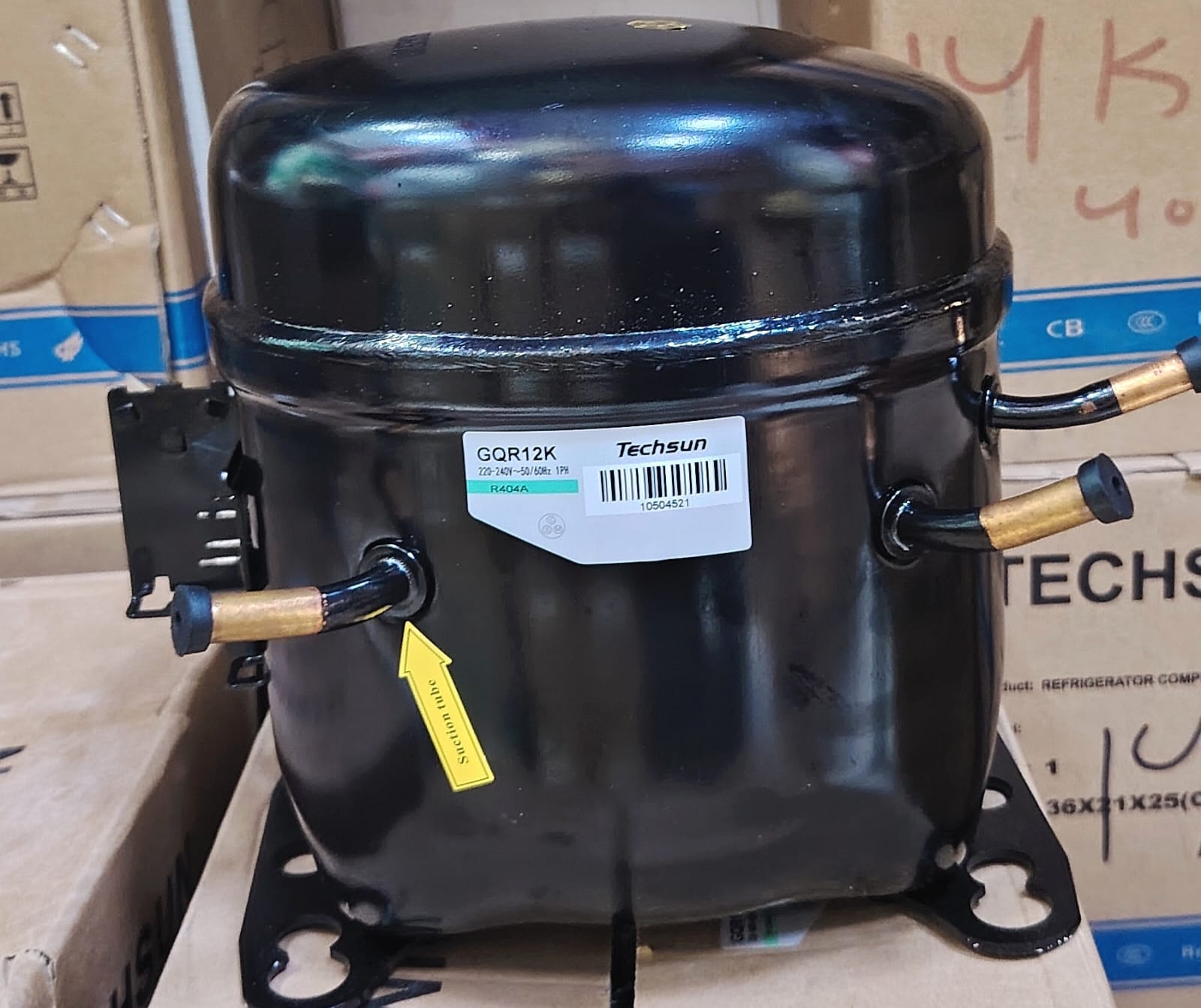
The SIKELAN GQR12K is a hermetically sealed reciprocating compressor designed for refrigeration systems using R404A refrigerant. It operates on 220–240V, 50/60Hz single-phase power, making it suitable for commercial equipment installed where three-phase electricity is unavailable.
Its compact size, durable construction, and steady cooling performance make it a popular replacement compressor for a wide range of commercial refrigeration applications.
Technical Specifications
| Specification | Details |
|---|---|
| Model | SIKELAN GQR12K |
| Compressor Type | Hermetic Reciprocating |
| Refrigerant | R404A |
| Voltage | 220–240V |
| Frequency | 50/60Hz |
| Horse power | 1/2+hp |
| Power Supply | Single Phase (1PH) |
| Cooling Application | Medium & Low Temperature |
| Motor Protection | Internal Overload Protector |
| Installation Position | Vertical |
| Cooling Method | Refrigerant Cooled |
Build Quality and First Impressions
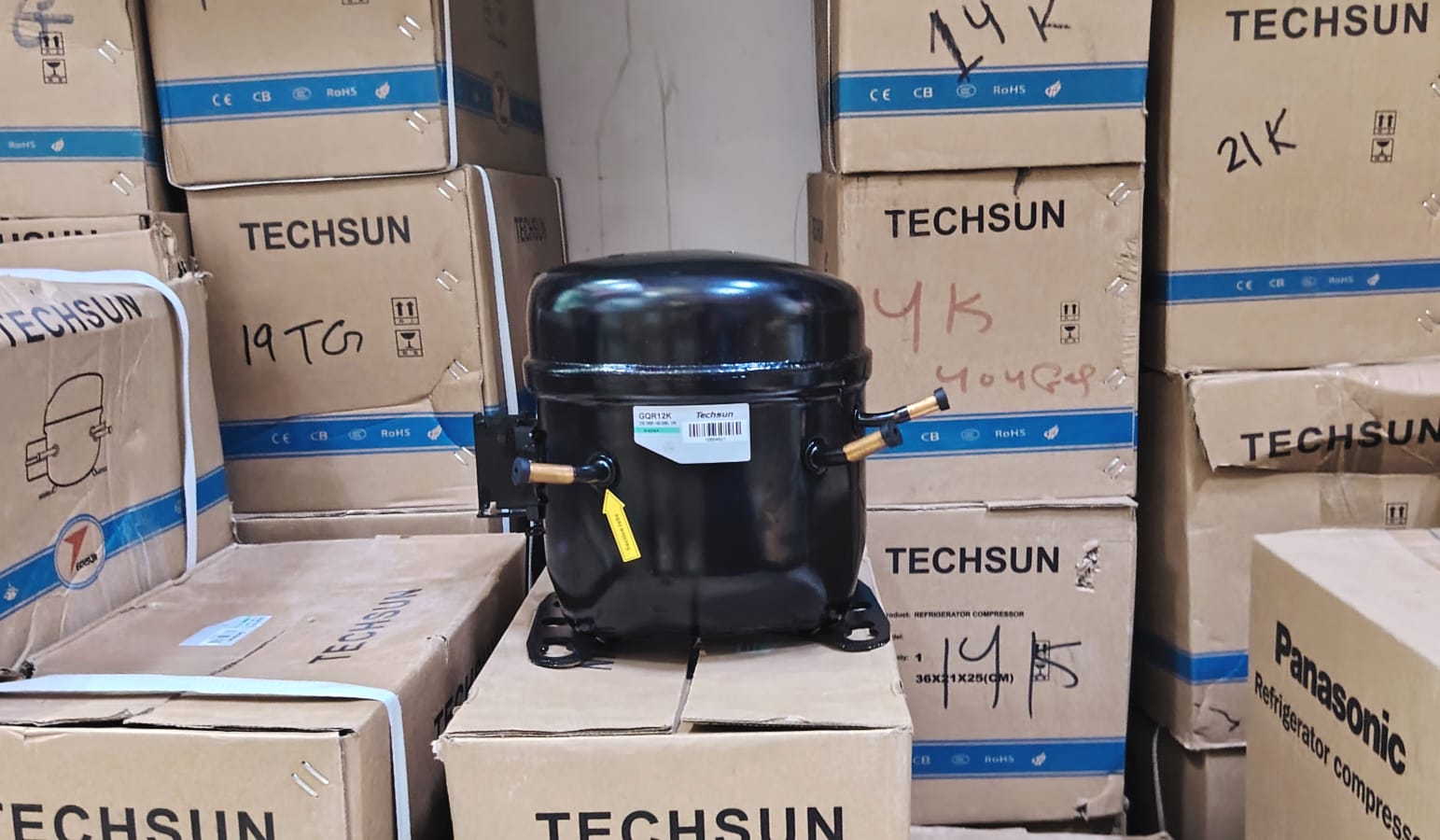
The first thing I noticed when unpacking the GQR12K was how well protected it was. The copper suction and discharge tubes were sealed with protective caps to keep moisture and dirt out during storage.
The compressor shell has a smooth black finish that feels durable, and the welded seams look clean and consistent. The mounting feet are sturdy, giving confidence that the compressor will remain stable once installed with vibration mounts.
Another useful detail is the clearly marked suction line, which helps reduce installation mistakes, especially when replacing an older compressor.
Overall, it gives the impression of being built for daily commercial use rather than occasional operation.
Where the GQR12K Performs Best
The GQR12K is designed primarily for commercial refrigeration rather than residential appliances.
Typical applications include:
- Display refrigerators
- Beverage coolers
- Ice cream freezers
- Upright freezers
- Reach-in refrigerators
- Mini cold rooms
- Restaurant refrigeration equipment
- Supermarket display cabinets
- Convenience store refrigeration systems
Because it uses R404A refrigerant, it performs particularly well in medium- and low-temperature refrigeration systems.
Cooling Performance
After installation and charging the system correctly, I noticed the compressor reached stable operating conditions fairly quickly.
The startup was smooth with no harsh knocking sounds, and vibration remained low once mounted on rubber grommets.
One thing I always monitor during the first hour of operation is discharge temperature. With clean condenser coils and proper airflow, the compressor maintained normal operating temperatures without signs of overheating.
The cooling cycle remained stable throughout the test, which is exactly what you want in commercial refrigeration where equipment often runs continuously.
Advantages of the SIKELAN GQR12K
Several features make this compressor a practical option for refrigeration technicians.
Reliable Cooling
It delivers consistent refrigeration performance for medium- and low-temperature applications.
Compact Design
Its size makes installation easier in equipment with limited compressor compartments.
Quiet Operation
While all reciprocating compressors produce some operating noise, this model runs surprisingly smoothly when installed correctly.
Strong Construction
The compressor shell feels solid, and the mounting base provides good stability.
Easy Maintenance
Standard refrigeration service tools work perfectly with this compressor, and common replacement components are widely available.
Step-by-Step Installation Guide
Installing a refrigeration compressor requires attention to detail. Skipping even one step can shorten compressor life.
Step 1: Inspect the Compressor
Before installation, check:
- Oil leaks
- Damaged copper tubes
- Shipping dents
- Loose mounting feet
If any damage is found, replace the unit before installation.
Step 2: Remove the Old Compressor Carefully
Recover the refrigerant using approved recovery equipment.
Disconnect electrical wiring.
Cut the copper tubing carefully to avoid introducing debris into the refrigeration system.
Step 3: Replace the Filter Drier
This is one mistake I see far too often.
Some installers try to save a few dollars by reusing the old filter drier.
Don’t.
Always install a new filter drier whenever replacing a compressor.
Step 4: Braze the Copper Connections
Use nitrogen while brazing whenever possible.
This prevents oxidation inside the tubing and helps keep the refrigeration circuit clean.
Step 5: Pressure Test the System
Pressurize the system with dry nitrogen.
Check every connection using leak detection solution or an electronic leak detector.
Repair any leaks before proceeding.
Step 6: Pull a Deep Vacuum
A good vacuum pump and micron gauge are essential.
Moisture trapped inside the refrigeration system can damage compressor oil and reduce system efficiency.
Never rush this step.
Step 7: Charge the Correct Refrigerant Amount
Charge only the correct amount of R404A refrigerant.
Avoid guessing.
Use pressure readings together with superheat and subcooling measurements for accurate charging.
Step 8: Monitor System Operation
Once running, check:
- Suction pressure
- Discharge pressure
- Compressor current
- Condenser airflow
- Frost pattern
- Cabinet temperature
Allow the system to stabilize before making adjustments.
Routine Maintenance Tips
Good maintenance can significantly extend compressor life.
I recommend the following routine checks:
- Clean condenser coils regularly.
- Inspect condenser fan operation.
- Tighten electrical terminals.
- Check compressor mounting bolts.
- Monitor operating current.
- Look for refrigerant leaks.
- Inspect insulation on suction lines.
- Keep the compressor compartment clean.
Most compressor failures begin with poor airflow or neglected maintenance rather than internal mechanical problems.
Common Mistakes to Avoid
Over the years, I’ve seen several installation mistakes repeated again and again.
Reusing the Old Filter Drier
Moisture and contaminants from the old system can quickly damage a new compressor.
Poor Vacuum Procedure
Some technicians stop vacuuming after only a few minutes.
A proper deep vacuum removes moisture and non-condensable gases that reduce cooling performance.
Incorrect Refrigerant Charge
Both overcharging and undercharging can cause poor cooling and increased compressor stress.
Dirty Condenser Coils
A clogged condenser raises discharge pressure, forcing the compressor to work harder than necessary.
Regular cleaning makes a noticeable difference.
Low Supply Voltage
Single-phase compressors are sensitive to voltage fluctuations.
Low voltage causes high current draw and excessive motor heating.
Troubleshooting Common Problems
Compressor Does Not Start
Possible causes include:
- Failed start capacitor
- Faulty relay
- Overload protector activated
- Low voltage
- Loose electrical wiring
Compressor Runs But Doesn’t Cool
Inspect:
- Refrigerant charge
- Expansion device
- Evaporator airflow
- Thermostat settings
- Refrigerant leaks
Compressor Overheats
Common causes include:
- Dirty condenser
- Poor ventilation
- Overcharged system
- Low voltage
- High ambient temperature
Excessive Noise
Check:
- Rubber mounting grommets
- Loose copper tubing
- Compressor mounting bolts
- Internal mechanical wear
Essential Tools for Installation
Whenever I replace a compressor like the GQR12K, these tools are always within reach:
- Digital manifold gauge set
- Vacuum pump
- Micron gauge
- Refrigerant recovery machine
- Nitrogen cylinder with regulator
- Electronic leak detector
- Digital clamp meter
- Pipe cutter
- Brazing torch
- Digital thermometer
Having the right tools saves time and helps prevent costly mistakes.

Is the GQR12K Worth Considering?
For technicians working on commercial refrigeration systems, the SIKELAN GQR12K offers a good balance of reliability, ease of installation, and consistent performance.
It isn’t designed to solve every refrigeration application, but when matched with the correct R404A system and installed properly, it provides dependable cooling for display freezers, beverage coolers, restaurant refrigerators, and small cold rooms.
The key is not just choosing the right compressor but also following proper refrigeration practices. Replacing the filter drier, pulling a deep vacuum, charging the correct refrigerant amount, and maintaining clean condenser coils will have a much bigger impact on long-term performance than many people expect.
If you’re replacing a worn-out R404A compressor in a compatible commercial refrigeration system, the SIKELAN GQR12K R404A 1PH is a solid option that can deliver reliable service when installed and maintained correctly.
Frequently Asked Questions
Is the SIKELAN GQR12K compatible with R134a refrigerant?
No. The GQR12K is designed for R404A refrigerant. Using a different refrigerant without proper system redesign is not recommended.
Can this compressor be used in a domestic refrigerator?
It is primarily intended for commercial refrigeration systems, such as display freezers, beverage coolers, and small cold rooms.
Does the compressor require three-phase power?
No. The GQR12K operates on 220–240V single-phase (1PH) power.
Should the filter drier be replaced when installing this compressor?
Yes. Replacing the filter drier is a best practice whenever a new compressor is installed to help prevent moisture and contamination issues.
How can I extend the life of the GQR12K compressor?
Regular maintenance, clean condenser coils, proper refrigerant charging, stable voltage, and routine leak inspections will help maximize its service life.