
What I Learned Fixing My Own Fridge With It
My mini fridge in the garage died on a Tuesday. I know it was a Tuesday because I remember standing there holding a warm can of soda, staring at it, and thinking “great, another appliance to deal with.” That fridge had been running my drinks and leftover takeout storage for almost six years, so I wasn’t ready to just toss it and buy new.
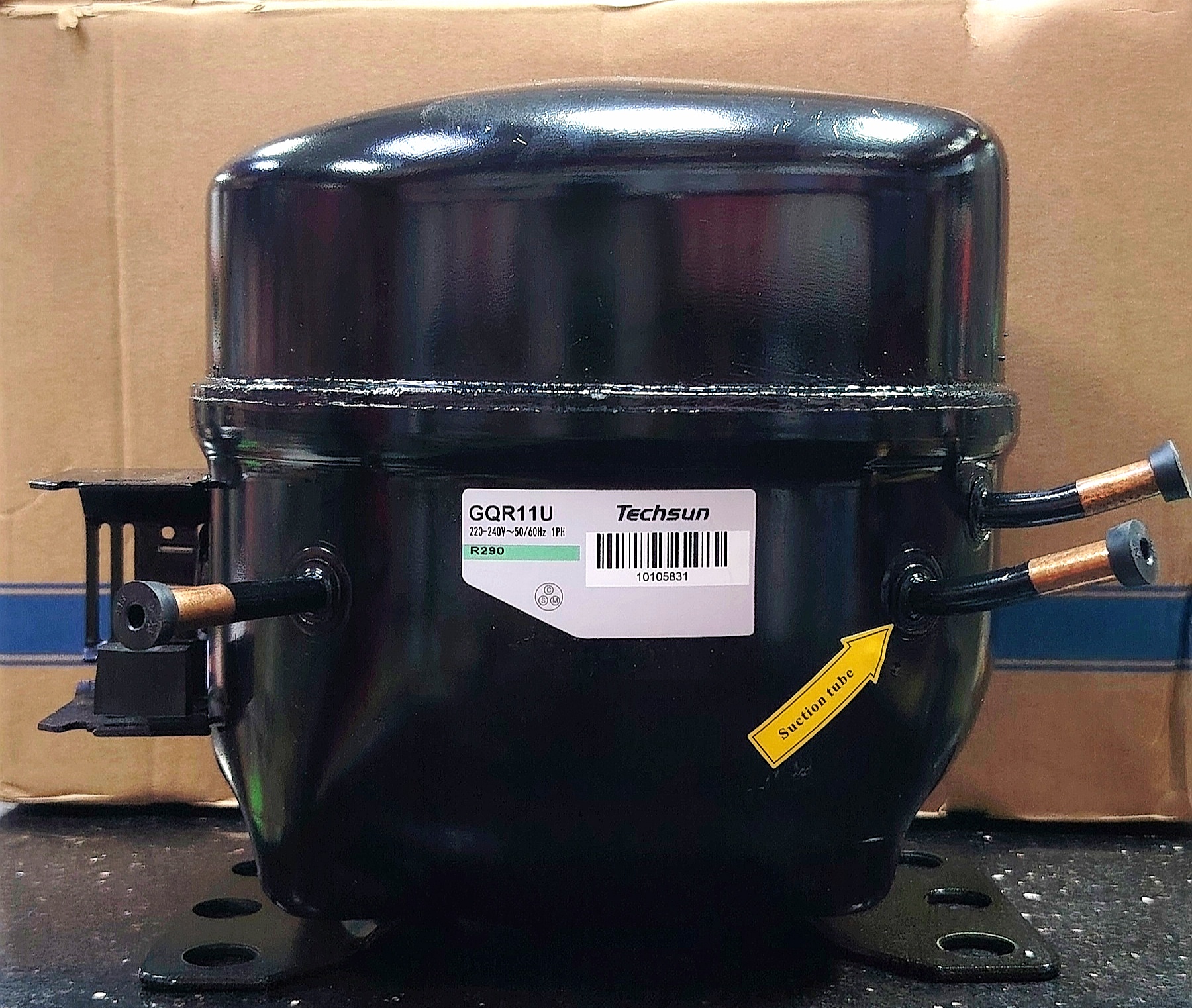
That’s how I ended up buying a Sikelan Refrigerator Compressor GQR11U to replace the dead one inside. I’d never heard of Sikelan before this, honestly. A refrigeration guy I know from a local appliance repair shop mentioned it as a solid budget-friendly option for small fridges and freezers, so I figured I’d give it a shot instead of paying for a full new unit.
This article is basically everything I wish I knew before I opened that box — the good, the annoying, and the stuff nobody tells you until you’re elbow-deep in copper tubing.
What the Sikelan Refrigerator Compressor GQR11U Actually Is
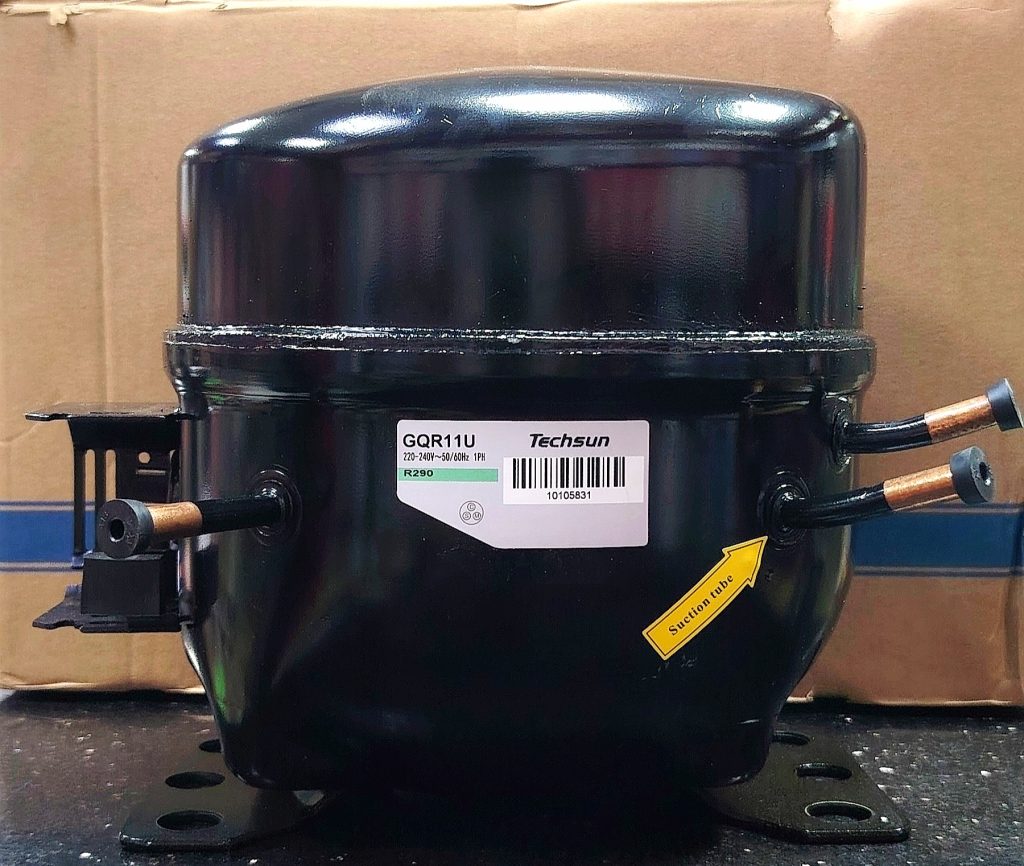
The GQR11U is a reciprocating compressor, not an inverter one. That distinction matters a lot, so let’s get it out of the way early. Reciprocating compressors run at a fixed speed — they turn fully on, cool the space down, then shut off completely once it hits temperature. No gradual ramp-up like the fancier inverter models.
Sikelan makes these mostly for small to mid-size refrigeration units — think mini fridges, small chest freezers, wine coolers, and some commercial display units. It’s a workhorse design rather than a high-tech one, which honestly is part of why it appealed to me for a simple garage fridge.
If you’re researching compressors and keep seeing “GQR11U” pop up on parts sites or eBay listings, this is generally the compressor people are pointing to when your existing unit uses a similar reciprocating design and needs a straightforward swap.
Why I Picked This Over a Full Fridge Replacement
Buying a brand new mini fridge would’ve cost me more than double what the compressor plus labor ended up costing. That was really the deciding factor.
A few other reasons it made sense for my situation:
- The fridge cabinet, shelves, and door seal were all still in great shape — only the compressor had failed.
- Parts availability for Sikelan compressors was decent through a couple of appliance parts suppliers I found, including RepairClinic, which I ended up using to double check compatibility specs before ordering.
- My repair guy had used Sikelan units before on customer jobs and said they held up fine on smaller loads.
If your compressor died on a fridge or freezer that’s otherwise in good shape, replacing just the compressor is almost always the cheaper and more sensible move.
Installing the GQR11U: Step-by-Step From My Own Experience
I want to be honest here — I did not do this completely solo. I have basic tools and some experience with small appliance repairs, but the refrigerant handling parts I left to my repair contact because you genuinely need recovery and vacuum equipment to do this safely and correctly.
Here’s roughly how it went.
1. Confirm the Refrigerant Type First
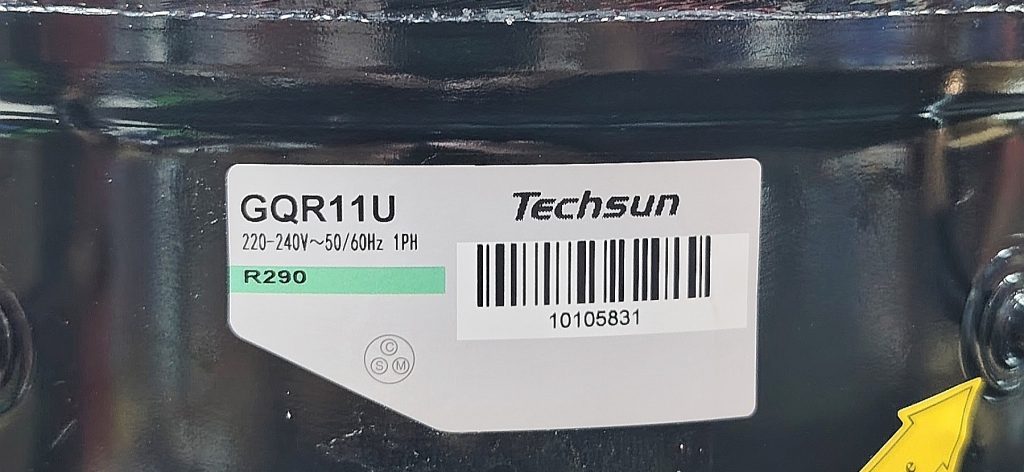
Before ordering anything, we checked the sticker on the old compressor to confirm the refrigerant type. My garage fridge used R134a. This matters because you need to match your replacement compressor and refrigerant charge to what your system was designed for — mixing refrigerants is a mistake you really don’t want to make.
2. Recover the Old Refrigerant
Using a recovery machine, we pulled whatever refrigerant was left in the system. You can’t just cut into refrigerant lines — there’s pressurized gas in there, and releasing it into the air isn’t something you want to do, both for environmental reasons and because it’s genuinely bad practice.
3. Remove the Old Compressor
We unbrazed the old GQR11U-compatible slot compressor from the copper tubing. This part took patience. Old solder joints don’t want to let go easily, and rushing it risks damaging the copper lines.
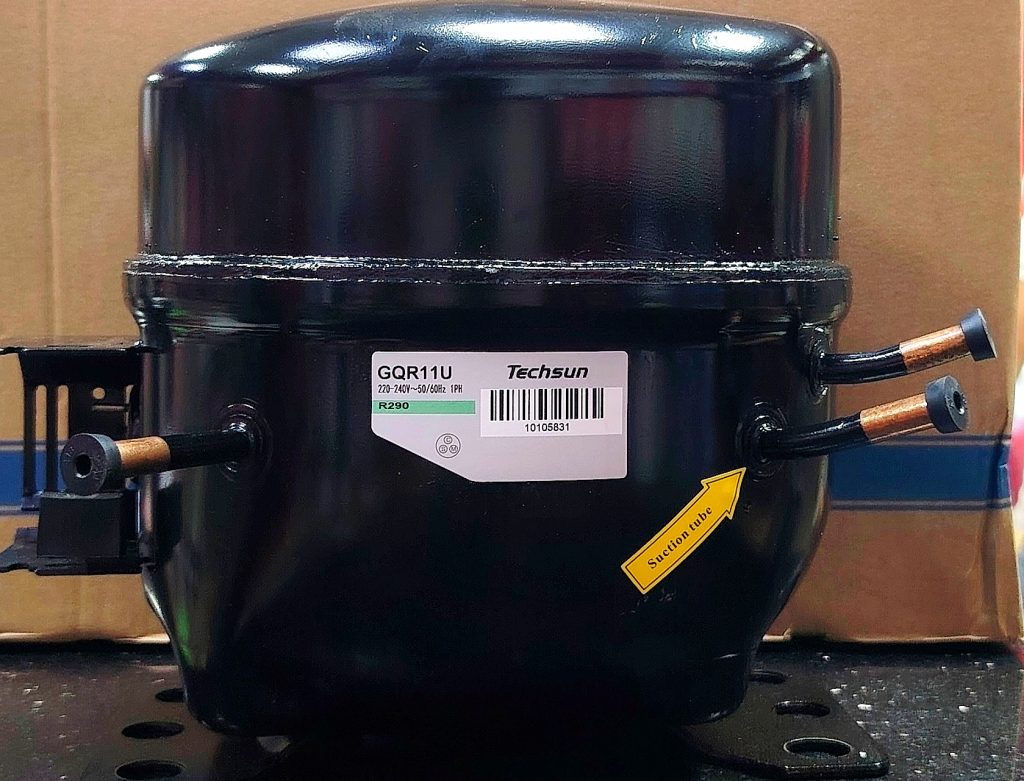
4. Mount and Braze in the New Sikelan GQR11U
The physical mounting was actually pretty painless — the footprint and tubing stubs lined up close enough to the original unit that we didn’t need major modifications. We cleaned the copper ends, fluxed them, and brazed the new compressor into place.
5. Pressure Test for Leaks
Before charging anything, we pressurized the system with nitrogen and let it sit to check for leaks. This step saved us once already on a different job, so I’ve learned not to skip it.
6. Pull a Vacuum
We vacuumed the system down for about 30-40 minutes to remove moisture and air. Any leftover moisture in a refrigeration system can cause long-term damage, so this isn’t a step to rush through.
7. Recharge With the Correct Refrigerant
Once the vacuum held steady, we weighed in the correct amount of R134a based on the compressor’s rated specs.
8. Power On and Monitor
We plugged it back in and watched it run through a full cycle. It kicked on strong, cooled the cabinet down within a reasonable time, and cycled off cleanly once it hit temp.
Real Results After a Few Months
It’s been running for a while now without issues. A few honest observations:
- It’s louder than an inverter compressor, no surprise there given the fixed-speed design.
- Cooling performance has been consistent — no warm spells, no weird cycling behavior.
- Energy use is a bit higher than what an inverter unit would pull, but for a small garage fridge that’s not running constantly under heavy load, it hasn’t been a noticeable hit on my electric bill.
Common Mistakes to Avoid With the Sikelan Refrigerator Compressor GQR11U
- Guessing the refrigerant type instead of confirming it. Always check the compatibility sticker or original documentation before ordering.
- Skipping the leak test. A tiny pinhole leak can drain your refrigerant charge within days, and you won’t know until your fridge stops cooling again.
- Not pulling a proper vacuum. This is the step people rush the most, and it’s the one that causes early compressor failure.
- Assuming every reciprocating compressor is a universal drop-in. Mounting brackets, tubing stub placement, and electrical connections can vary between models even when the specs look similar on paper.
- Overlooking the start relay and overload protector. These small components often need replacing along with the compressor itself, especially if the original ones show any wear.
Is the GQR11U Worth It?
For a small to mid-size fridge or freezer where you’re trying to avoid buying a whole new appliance, yes — it’s a reasonable, budget-conscious option. It’s not going to give you inverter-level quiet operation or the energy savings that come with variable-speed compressors, but it does the job reliably for straightforward cooling needs.
If you’re working with a refrigeration tech who already has experience with Sikelan units, or you’re comfortable handling the refrigerant recovery and vacuum steps yourself with the right equipment, this is a solid way to bring an otherwise healthy fridge back to life without spending appliance-store money.
Final Thoughts
My garage fridge is still humming away, keeping drinks cold and leftovers from going bad, months after this whole thing started with me holding a warm can of soda and grumbling about another appliance repair. It wasn’t a glamorous fix, and it definitely wasn’t something I’d have attempted completely alone without someone who knew the refrigerant handling side of things.
But if your compressor’s dying and the rest of your fridge is still in decent shape, don’t write the whole thing off just yet. Sometimes the fix really is smaller and cheaper than it feels in the moment.