
Last summer, my AC started doing something weird. It would blow cold air for ten minutes, then suddenly switch to lukewarm, then cold again, like it couldn’t make up its mind. I thought the compressor was dying. I was already mentally calculating how much a new unit would cost me. What Is the Role of a Sensor in an Air Conditioner?
Turned out it was one tiny sensor. A ₹150 part (less than the cost of a decent pizza) was making my “AC is broken” panic completely unnecessary.
That whole experience made me actually dig into how these sensors work, because honestly, before that I had no idea an air conditioner even had sensors beyond the remote’s temperature buttons. Turns out they’re doing way more work than most of us realize.
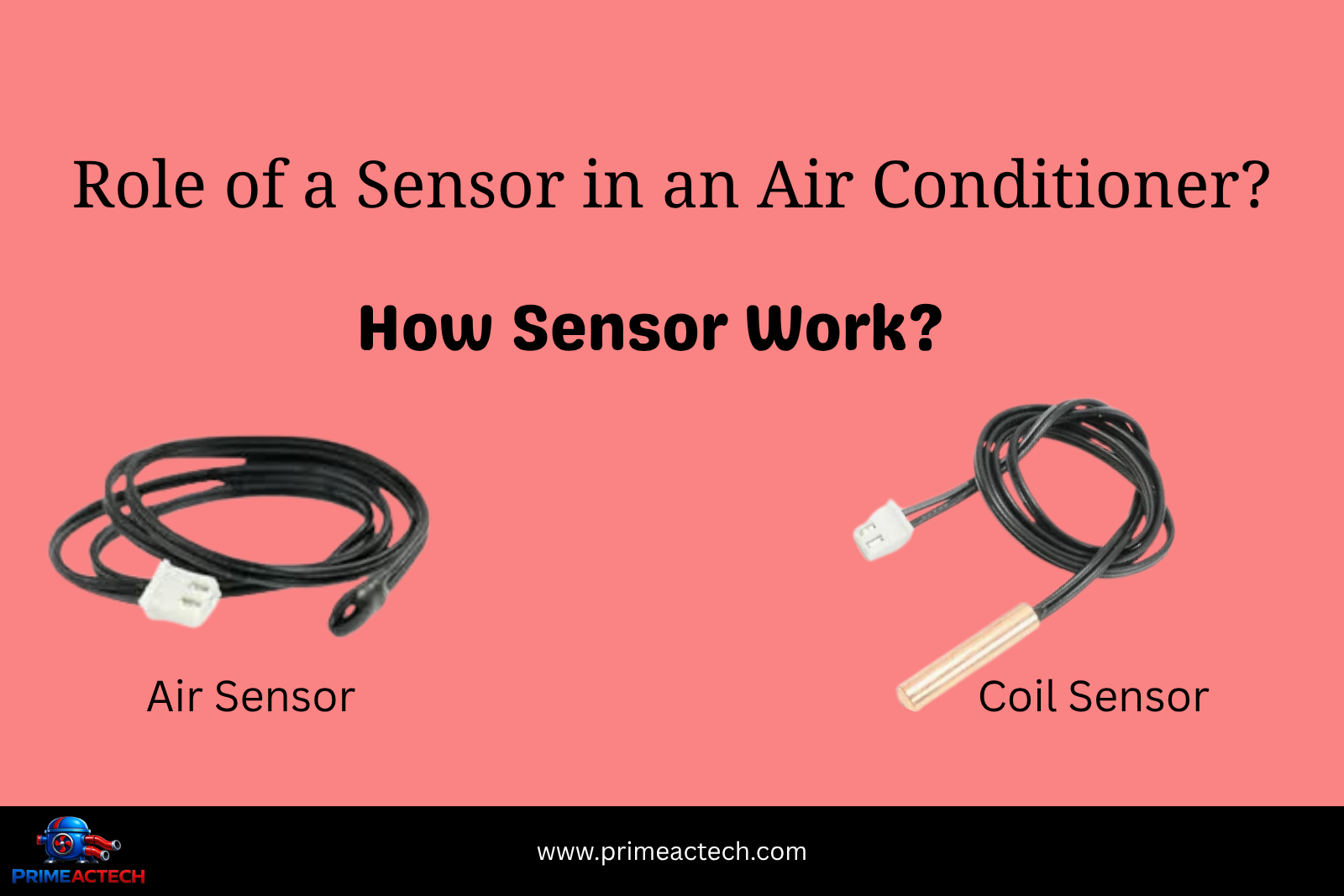
So What Does a Sensor Actually Do in an AC?
Think of the sensor as the AC’s nervous system. Your AC doesn’t “know” the room temperature just because you punched in 24°C on the remote. It needs something to constantly check the actual conditions inside the unit and the room, and report back so the compressor and fan know when to work harder or take a break.
Without sensors, your AC would basically be running blind — cooling non-stop whether the room needs it or not, or worse, freezing up the coil because nothing’s telling it to stop.
The Main Sensors Hiding Inside Your AC
I didn’t know most of these existed until my technician walked me through it while fixing my unit. Here’s what’s actually in there:
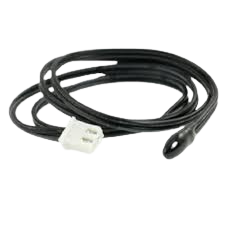
1. Room Temperature Sensor (Thermistor) This is the one closest to what people imagine. It sits near the evaporator coil (indoor unit) and reads the air temperature coming in. This is what tells the compressor “hey, we hit the set temperature, you can chill out now” or “it’s still hot, keep going.”
When mine failed, it was reading the temperature wrong — sometimes thinking the room was already cold when it wasn’t, which caused that annoying on-off cycling I mentioned earlier.
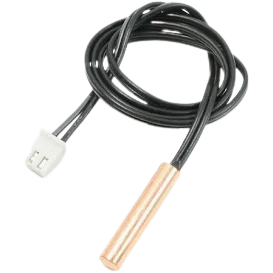
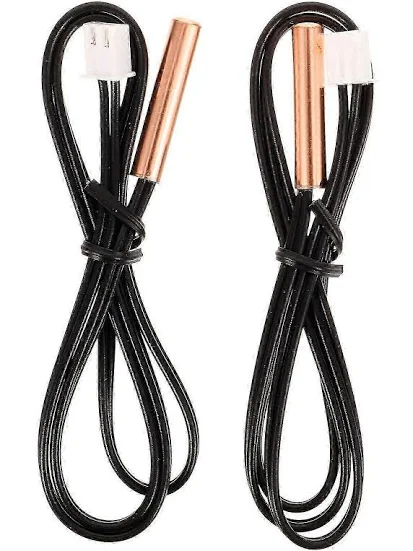
2. Coil/Pipe Temperature Sensor This one watches the evaporator coil temperature specifically. Its main job is preventing the coil from icing up. If the coil gets too cold, this sensor tells the system to pause the compressor for a bit. I’ve seen units where this sensor failed and the whole indoor unit turned into a block of ice — genuinely looked like a mini glacier inside my AC panel.
3. Ambient/Outdoor Sensor Some AC models (especially inverter ACs) also monitor the outdoor unit conditions to adjust compressor speed based on outside heat. This is a big reason why inverter ACs feel “smarter” than the older fixed-speed ones.
4. Humidity Sensor (on higher-end models) Not every AC has this, but the fancier ones do. It helps the unit figure out how much moisture to pull out of the air, which matters a lot in humid cities. I noticed my friend’s Daikin inverter unit handled Mumbai’s humidity way better than my old Voltas window AC, and this sensor was a big part of why. What Is the Role of a Sensor in an Air Conditioner?
Real Example: My Actual Troubleshooting Story
Here’s exactly what happened, step by step, in case you’re dealing with something similar:
Step 1: I noticed inconsistent cooling. Cold, then warm, then cold — no pattern I could figure out.
Step 2: I checked if it was a remote or setting issue. Reset the AC, changed batteries in the remote, even tried a different mode (auto vs cool). No change.
Step 3: I called a local technician (this was a split AC, a Hitachi unit, about 4 years old). He opened the indoor unit cover and pointed to a small sensor near the coil, connected by a thin wire.
Step 4: He tested it with a multimeter. The resistance reading was off compared to what it should’ve been at room temperature. That confirmed the sensor was faulty.
Step 5: Replacement. He swapped the thermistor, closed everything up, and within 5 minutes the AC was cooling normally and consistently. No more temperature guessing games.
Total cost: sensor part + labor came to around ₹400. Compare that to what I almost paid for, thinking I needed a whole new unit.
Signs Your AC Sensor Might Be Acting Up
If you notice any of these, don’t panic and assume the compressor is dead. Check the sensor first:
- Room feels cold in some spots and warm in others, with the AC cycling on and off oddly
- Ice forming on the indoor coil or pipes
- The AC runs constantly but never actually reaches the set temperature
- Display shows an error code (many modern ACs like LG, Daikin, and Voltas show specific error codes for sensor faults — worth Googling your model’s error code list or checking the manual)
Common Mistakes People Make (I’ve Made a Few Myself)
Mistake 1: Assuming it’s always the compressor. Compressor issues are expensive. Sensor issues are cheap. Always rule out the cheaper, simpler cause first.
Mistake 2: Cleaning the AC without being careful around the sensor wire. When I got my AC serviced for a regular cleaning, the guy accidentally nudged the sensor wire loose while cleaning the filter. It caused the exact same cycling issue a week later. If you’re doing DIY cleaning, be gentle around any thin wires near the coil.
Mistake 3: Ignoring ice buildup. A lot of people just wipe off the ice and think it’s solved. If ice keeps forming, that’s the sensor (or low refrigerant) trying to tell you something. Get it checked properly instead of just defrosting it manually every few days.
Mistake 4: Not maintaining the AC regularly. Dust and dirt around the sensor can affect its readings too. A basic service every 6 months (especially before summer starts) can prevent this from becoming a bigger issue.
Does Sensor Type Matter When Buying a New AC?
If you’re in the market for a new unit, it’s worth checking what sensors are included, especially if you live somewhere humid or have inconsistent power supply (voltage fluctuations can sometimes mess with sensor accuracy over time).
Brands like Daikin, Hitachi, and Mitsubishi tend to use more refined sensor systems in their premium inverter models, which is part of why they cost more but also feel more consistent day to day. Not saying budget brands are bad, just that sensor quality is genuinely a differentiator worth asking about.
Final Thoughts
I used to think of an AC as just “the cold air machine” — plug it in, hope it works. After going through this whole sensor issue myself, I look at it more like a smart thermostat with muscles. The sensors are the brain feeding it information, and the compressor and fan are just following orders.
Next time your AC starts acting weird — cycling oddly, icing up, or just not cooling right — don’t jump straight to assuming the worst. Get a technician to check the sensors first. It might just save you a chunk of money and a lot of unnecessary stress, like it did for me. What Is the Role of a Sensor in an Air Conditioner?