
I remember the first time I worked on a split air conditioner equipped with an LG rotary compressor. The customer’s complaint was simple: the AC wasn’t cooling as effectively as before, especially during the hottest part of the afternoon. After checking the refrigerant charge, condenser coil, and electrical components, I found that the compressor was actually performing surprisingly well. The issue turned out to be poor airflow caused by a dirty indoor coil.
That experience reminded me of something important: many people immediately blame the compressor when cooling performance drops, but a quality compressor like the LG Rotary Compressor QP407 1PH is often one of the most reliable components in the system.
Over the years, I’ve come across several LG rotary compressors in residential and light commercial air conditioning applications. The QP407 1PH model is one of those compressors that quietly does its job without demanding much attention when installed and maintained correctly.
In this guide, I’ll share practical insights about the LG Rotary Compressor QP407 1PH, including its features, applications, performance, maintenance tips, and common mistakes users should avoid.
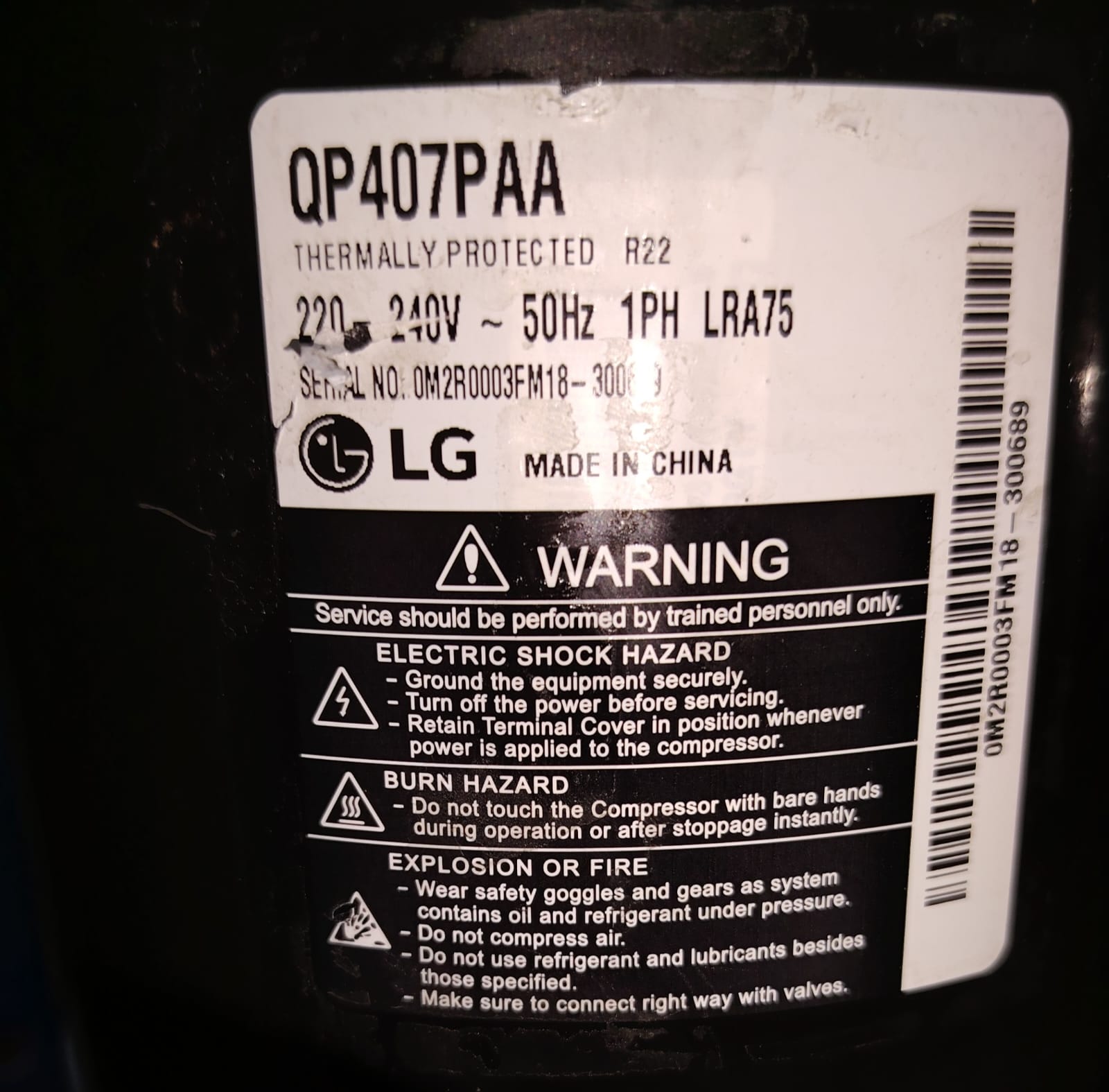
What Is the LG Rotary Compressor QP407 1PH?
The LG Rotary Compressor QP407 1PH is a single-phase rotary compressor designed for air conditioning systems. It is commonly used in residential split AC units and similar cooling applications where efficient and reliable performance is required.
Unlike traditional reciprocating compressors that use pistons, rotary compressors operate with a rotating mechanism that compresses refrigerant smoothly and continuously. This design helps reduce vibration and noise while improving overall efficiency.
From my experience, systems using rotary compressors often feel smoother during operation. You don’t notice the sudden vibrations or loud startup sounds that are sometimes associated with older compressor designs.
Why Rotary Compressors Are So Popular
Many manufacturers have shifted toward rotary compressor technology for good reasons.
Here are some advantages I’ve observed firsthand:
Quieter Operation
One of the biggest differences users notice is noise reduction.
A customer once replaced an older AC unit with a newer LG rotary compressor system and immediately commented on how much quieter the outdoor unit was. The difference was noticeable even from several meters away.
Better Energy Efficiency
Rotary compressors generally consume less power for the same cooling output compared to many older compressor designs.
This becomes especially important in regions with long summers where air conditioners run for several hours every day.
Lower Vibration
Because of their rotating compression mechanism, rotary compressors produce less vibration.
Lower vibration can help reduce wear on connected components and refrigerant piping over time.
Reliable Performance
When installed properly and operated under correct conditions, the QP407 1PH can deliver consistent cooling performance for many years.
Key Features of the LG Rotary Compressor QP407 1PH
While exact specifications may vary depending on the application and market, several characteristics make this compressor popular among HVAC technicians.
Single-Phase Operation
The “1PH” designation indicates single-phase power operation.
This makes the compressor suitable for residential electrical systems where three-phase power is not available.
Compact Design
One thing I appreciate about LG rotary compressors is their relatively compact size.
This helps manufacturers design outdoor units that are easier to install in limited spaces such as apartment balconies and narrow service areas.
Smooth Compression Cycle
The rotary mechanism allows continuous refrigerant compression.
As a result, the compressor can operate more quietly and efficiently compared to many older designs.
Durable Construction
LG compressors are generally built to withstand demanding operating conditions, including high ambient temperatures commonly found in Gulf countries and other hot regions.
Typical Applications
The LG Rotary Compressor QP407 1PH is commonly found in:
- Residential split air conditioners
- Wall-mounted AC systems
- Small commercial cooling systems
- Office air conditioning units
- Retail shop cooling applications
- Residential villas and apartments
In my experience, these compressors perform particularly well in homes where the AC runs for extended periods throughout the day.
Real-World Performance
Specifications are useful, but actual field performance tells the real story.
Hot Weather Operation
In regions where outdoor temperatures regularly exceed 40°C (104°F), compressors face significant stress.
I’ve seen LG rotary compressors continue operating effectively even during extreme summer conditions, provided the condenser coil remains clean and airflow is not restricted.
Stable Cooling
One thing many homeowners appreciate is consistent cooling.
Instead of frequent temperature swings, systems equipped with a healthy rotary compressor often maintain room temperature more steadily.
Reduced Noise Complaints
Noise complaints are common in residential HVAC service calls.
Compared to some older reciprocating compressor systems, LG rotary compressors generally generate fewer complaints related to outdoor unit noise.
Installation Tips From Practical Experience
A good compressor can still fail prematurely if installation practices are poor.
Here are some lessons I’ve learned over the years.
1. Always Pull a Proper Vacuum
Skipping vacuuming is one of the biggest mistakes installers make.
Moisture inside the refrigerant system can damage compressor components and reduce efficiency.
Use a vacuum pump and micron gauge whenever possible.
2. Check Refrigerant Charge Carefully
Both overcharging and undercharging can create problems.
Too much refrigerant increases pressure.
Too little refrigerant can cause overheating.
Always verify operating pressures according to manufacturer recommendations.
3. Ensure Good Airflow
I’ve seen technicians spend hours troubleshooting compressors when the actual issue was a blocked condenser coil.
Proper airflow is essential for compressor health.
4. Use Correct Electrical Protection
Install proper circuit breakers and overload protection devices.
Electrical issues remain one of the leading causes of compressor damage.
Maintenance Tips That Actually Work
Many compressor failures can be prevented with simple routine maintenance.
Clean Condenser Coils Regularly
Dirty condenser coils force the compressor to work harder.
I recommend checking and cleaning outdoor coils before the start of each cooling season.
Inspect Electrical Connections
Loose electrical terminals create heat buildup.
During routine service, tighten and inspect all connections.
Monitor Operating Current
Using a clamp meter to check compressor amperage can reveal early warning signs before major problems develop.
Listen for Changes
A healthy compressor develops a familiar sound pattern.
If you suddenly hear:
- Excessive humming
- Loud clicking
- Unusual vibration
- Hard starting
it’s worth investigating before the problem worsens.
Replace Faulty Capacitors Quickly
A weak capacitor can place extra strain on the compressor.
Fortunately, capacitors are relatively inexpensive compared to compressor replacement costs.
Common Problems and Troubleshooting
Even reliable compressors can experience issues.
Compressor Won’t Start
Possible causes include:
- Failed capacitor
- Electrical supply issues
- Loose wiring
- Faulty contactor
- Internal overload protection activation
I always start with basic electrical checks before assuming compressor failure.
Poor Cooling Performance
Possible causes:
- Refrigerant leaks
- Dirty filters
- Dirty coils
- Airflow restrictions
- Thermostat issues
The compressor often gets blamed unfairly in these situations.
Overheating
Common reasons include:
- Dirty condenser coils
- High ambient temperatures
- Improper refrigerant charge
- Restricted airflow
Addressing these issues quickly can prevent permanent compressor damage.
Excessive Noise
Noise may result from:
- Loose mounting bolts
- Worn fan motors
- Refrigerant flow issues
- Internal compressor wear
A detailed inspection usually identifies the source.
Mistakes Homeowners Often Make
Over the years, I’ve noticed several recurring mistakes.
Ignoring Small Problems
A minor noise today can become a major repair tomorrow.
Early diagnosis often saves money.
Skipping Annual Maintenance
Many users wait until cooling performance drops before calling a technician.
Preventive maintenance is usually far less expensive than emergency repairs.
Blocking Outdoor Units
I’ve seen outdoor units surrounded by storage boxes, plants, and decorative covers.
Restricted airflow makes the compressor work harder and increases energy consumption.
Constant Thermostat Adjustments
Setting extremely low temperatures doesn’t cool a room faster.
Instead, it forces the system to run longer and increases wear.
Is the LG Rotary Compressor QP407 1PH a Good Choice?
Based on what I’ve seen in the field, the answer is yes.
The LG Rotary Compressor QP407 1PH offers a solid balance of:
- Reliable cooling performance
- Quiet operation
- Energy efficiency
- Compact design
- Long service life when maintained properly
No compressor is completely immune to failure, but LG rotary compressors generally have a good reputation among HVAC technicians and service professionals.
What matters most is proper installation, correct refrigerant charging, adequate airflow, and routine maintenance.
I’ve worked on systems where the compressor lasted well beyond a decade because those basics were never ignored. On the other hand, I’ve seen compressors fail within a few years due to poor installation practices and lack of maintenance.
If you’re evaluating an air conditioning system that uses the LG Rotary Compressor QP407 1PH, you can expect dependable performance as long as the entire system is installed and maintained correctly. For homeowners and technicians alike, that’s often exactly what you want from a compressor—quiet, efficient operation that simply gets the job done day after day.