
A few summers ago, I was called to troubleshoot a rooftop air conditioning unit at a busy supermarket. The complaint sounded simple enough: “The store isn’t staying cool during the afternoon.” By the time I arrived, the system had already been inspected twice. Refrigerant levels looked normal, the condenser coil was clean, and all the electrical components appeared to be working.
The real problem turned out to be the compressor. It had lost efficiency after years of nonstop operation. Instead of repairing an aging unit, the owner decided to replace it with the Copeland Scroll Compressor ZP120KCE-TFD.
A few hours after installation and commissioning, the difference was obvious. The system reached the target temperature faster, the compressor ran more smoothly, and the excessive noise that employees had grown used to was gone.
That experience reminded me why Copeland compressors continue to be one of the first choices for commercial HVAC professionals. If you’re considering the ZP120KCE-TFD, here’s what you should know before making your decision.
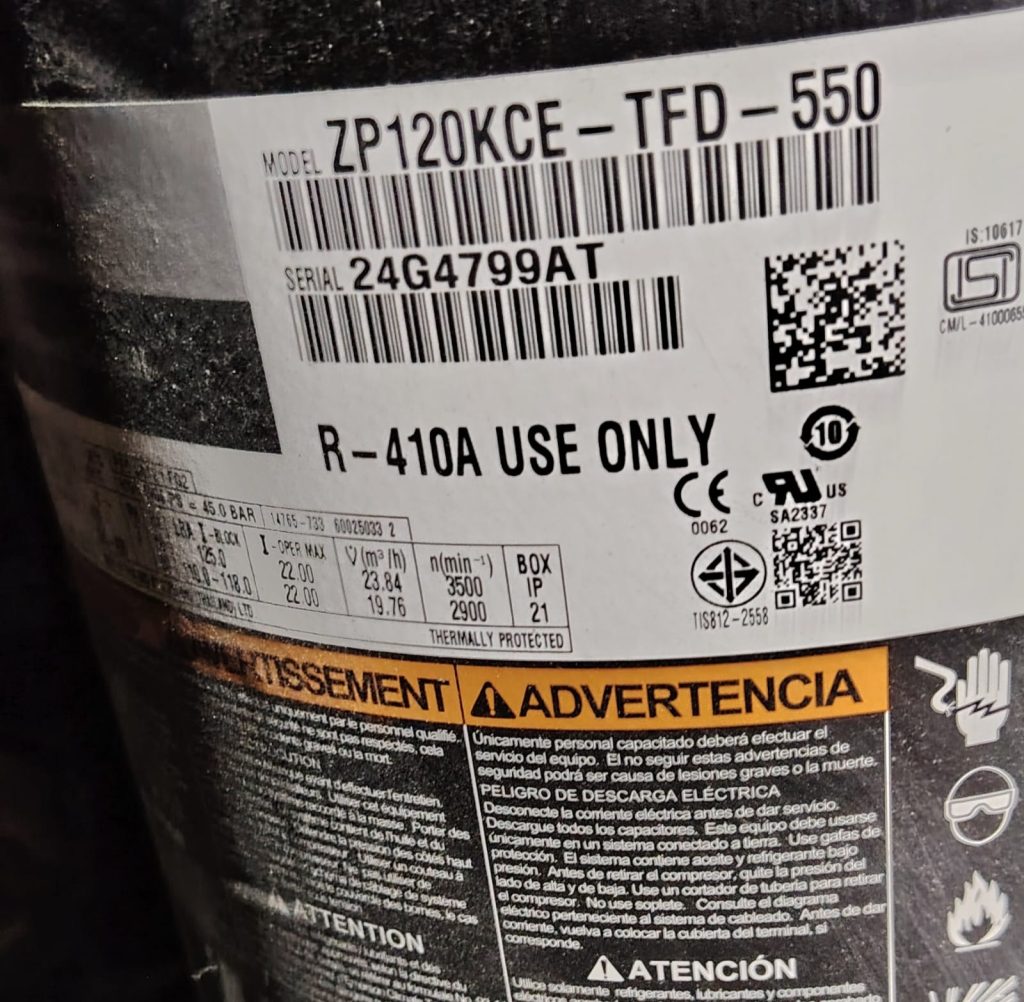
What Is the Copeland Scroll Compressor ZP120KCE-TFD?
The Copeland ZP120KCE-TFD is a high-capacity scroll compressor built for commercial air conditioning systems using R-410A refrigerant. Designed for demanding cooling applications, it offers reliable performance while maintaining good energy efficiency.
Unlike older reciprocating compressors that rely on pistons and valves, this model uses scroll technology. Two spiral-shaped scrolls compress the refrigerant smoothly, resulting in quieter operation, reduced vibration, and fewer moving parts that can wear out over time.
This compressor is commonly found in:
- Rooftop packaged units
- Commercial split air conditioners
- Office buildings
- Shopping malls
- Hotels
- Schools
- Restaurants
- Industrial comfort cooling systems
Quick Specifications
According to the manufacturer datasheet:
| Specification | Details |
|---|---|
| Model | Copeland ZP120KCE-TFD |
| Compressor Type | Scroll |
| Refrigerant | R-410A |
| Frequency | 60 Hz |
| Phase | 3 Phase |
| Alternate Voltage | 380–420V (50Hz application) |
| Cooling Capacity | Up to 123,000 BTU/hr |
| Rated Speed | 3500 RPM |
| Maximum Operating Current | 28 Amps |
| Oil Charge | 106 oz |
| Net Weight | 135 lbs |
| Suction Connection | 1-3/8″ Stub |
| Discharge Connection | 7/8″ Stub |
Technical specifications are based on the uploaded Copeland manufacturer datasheet.
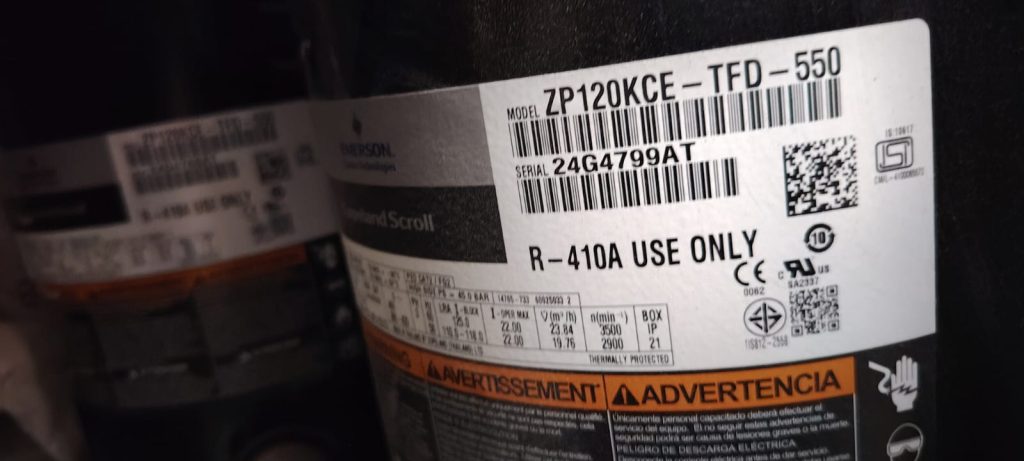
First Impressions After Installation
One thing that immediately stood out was the build quality.
The compressor feels extremely solid. The compressor feels extremely solid. It weighs around 135 pounds, so you’ll need proper lifting equipment to move it safely. That’s typical for a commercial compressor of this size. Strong covers protect the electrical terminals, the finish looks clean and durable, and the connection ports allow quick and easy installation. Every detail reflects Copeland’s focus on building a compressor that handles years of continuous operation.
Cooling Performance
Once the system was fully evacuated, charged, and started, performance improved almost immediately.
Some noticeable improvements included:
- Faster pull-down temperature
- Stable suction pressure
- Lower discharge temperatures
- Smooth compressor startup
- Consistent indoor comfort
- Reduced cycling
One thing customers often notice first is the quieter operation.
Even though rooftop units naturally produce some sound from condenser fans, the compressor itself runs much smoother than many older reciprocating designs.
Cooling Capacity
The ZP120KCE-TFD delivers impressive cooling performance.
The manufacturer lists capacities of approximately:
- 123,000 BTU/hr
- 109,000 BTU/hr
depending on operating conditions.
That makes it suitable for medium to large commercial air conditioning systems where consistent cooling is essential throughout the day.
Why Scroll Compressors Continue to Dominate Commercial HVAC
Over the years, I’ve replaced dozens of older piston compressors with scroll models, and the benefits are usually noticeable right away.
Fewer Moving Parts
Scroll compressors contain fewer internal components than reciprocating compressors.
That generally means:
- Less mechanical wear
- Better reliability
- Lower maintenance requirements
Quiet Operation
Noise complaints are common in offices, clinics, and restaurants.
The scroll design minimizes vibration and produces a much smoother operating sound, making the entire system feel more refined.
Energy Efficiency
While overall system efficiency depends on proper installation and maintenance, scroll compressors are known for delivering excellent performance with lower energy losses compared to many older compressor designs.
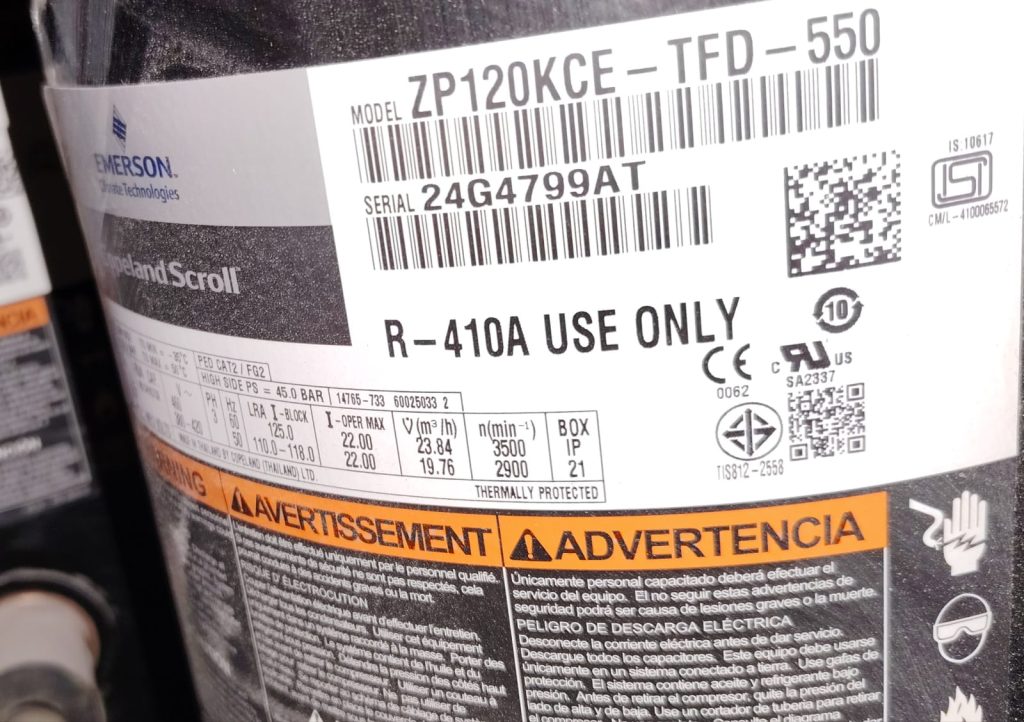
Installation Tips From Experience
Replacing a commercial compressor isn’t difficult for trained HVAC technicians, but several steps should never be skipped.
1. Recover Refrigerant Properly
Always recover the existing refrigerant using certified recovery equipment.
Never vent refrigerant into the atmosphere.
2. Replace the Filter Drier
This is probably the most overlooked step.
I’ve seen installers reuse the old filter drier to save a little money, only to face another compressor failure months later.
Replacing it is inexpensive insurance.
3. Flush the Refrigerant Circuit
If the old compressor failed internally, flush the entire system before installing the replacement.
Leftover contamination can quickly damage the new compressor.
4. Pull a Deep Vacuum
Moisture is one of the biggest enemies of refrigeration systems.
Using a quality vacuum pump and micron gauge helps remove moisture before charging refrigerant.
5. Charge Refrigerant Correctly
Don’t rely on pressure readings alone.
Whenever possible, weigh the refrigerant charge according to the equipment manufacturer’s specifications.
Real-World Applications
I’ve encountered the ZP120KCE-TFD in many different commercial installations, including:
- Retail stores
- Shopping centers
- Hotels
- Educational facilities
- Office buildings
- Manufacturing facilities
- Healthcare clinics
- Restaurants
Its high cooling capacity makes it a practical option where systems operate for long hours under heavy loads.
What I Like Most
After working with several Copeland compressors over the years, a few strengths consistently stand out.
Reliable Operation
When installed correctly, these compressors tend to run for many years with very few issues.
Excellent Cooling Performance
The system reaches the desired temperature faster, even during hot summer afternoons.
Reduced Noise
Customers often mention how much quieter the outdoor unit sounds after replacing an older compressor.
Proven Brand Reputation
Copeland has built a strong reputation in the HVAC industry for producing compressors that are dependable and widely supported with replacement parts.
Things to Consider Before Buying
Although this compressor performs exceptionally well, it isn’t the right choice for every application.
Three-Phase Electrical Supply
The standard model uses three-phase power, so it works best in commercial buildings instead of typical residential homes.
Designed for R-410A Systems
The ZP120KCE-TFD is engineered for R-410A refrigerant. It should only be installed in systems that are designed and approved for this refrigerant.
Professional Installation Recommended
Proper brazing, evacuation, refrigerant charging, and electrical testing all play an important role in compressor reliability.
Even the best compressor won’t last long if the installation isn’t done correctly.
Common Mistakes to Avoid
Over the years, I’ve seen several avoidable mistakes that shorten compressor life.
Avoid these whenever possible:
- Reusing contaminated refrigerant oil
- Skipping filter drier replacement
- Failing to evacuate the system properly
- Charging refrigerant without weighing it
- Ignoring airflow restrictions
- Operating with incorrect supply voltage
- Leaving acid contamination inside the refrigerant circuit
- Not checking superheat and subcooling after startup
Taking a little extra time during installation usually prevents expensive repairs later.
Maintenance Tips for Longer Service Life
Routine maintenance can make a significant difference in compressor longevity.
A simple maintenance schedule should include:
- Cleaning condenser coils regularly
- Inspecting electrical connections
- Monitoring refrigerant pressures
- Checking compressor amperage
- Replacing dirty air filters
- Verifying proper condenser fan operation
- Inspecting for oil leaks
- Recording operating temperatures during service visits
These routine checks help identify small issues before they become costly breakdowns.
Is the Copeland ZP120KCE-TFD Worth It?
From my experience, the Copeland Scroll Compressor ZP120KCE-TFD is an excellent choice for commercial air conditioning systems that need dependable, high-capacity cooling. Its smooth operation, durable construction, and proven scroll technology make it well suited for offices, retail spaces, hotels, and other buildings where HVAC equipment runs for long hours.
While it represents a higher upfront investment than some budget alternatives, its reliability and performance often make it the more economical option over the long term. If your system uses R-410A refrigerant, runs on three-phase power, and meets the compressor’s capacity requirements, the ZP120KCE-TFD offers reliable performance and can provide years of efficient service with proper installation and regular maintenance.