
There was a time when a small beverage cooler landed on my workbench because it wasn’t cooling properly. The owner thought the thermostat had failed, but after checking the electrical components and refrigerant pressure, the real culprit turned out to be the compressor. The original unit had worn out after years of continuous operation. After replacing it with a compatible Donper compressor, the cooler was back to normal within a few hours. Donper Refrigeration Compressor L76CZ1 R134A 220V.
That experience reminded me of something many technicians already know—choosing the right replacement compressor is often more important than chasing complicated faults. A good compressor should start reliably, run quietly, and match the refrigeration system it was designed for.
One model that often appears in compact refrigeration equipment is the Donper Refrigeration Compressor L76CZ1 R134A 220V. If you’re considering this compressor for a replacement or simply want to understand its capabilities, here’s what I’ve learned from working with similar systems.
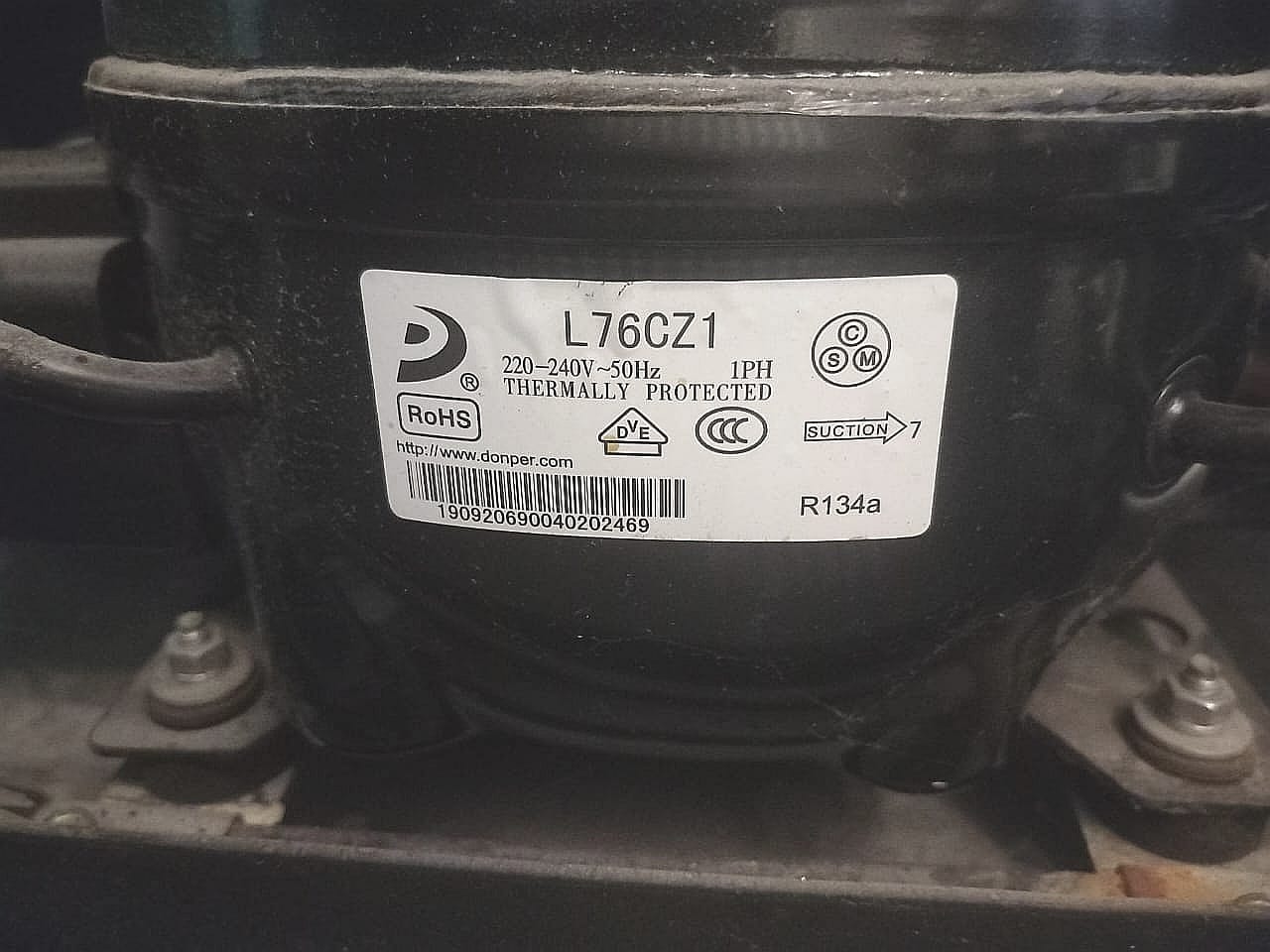
What Is the Donper L76CZ1 Compressor?
The Donper L76CZ1 is a hermetically sealed reciprocating refrigeration compressor designed for systems using R134A refrigerant. It operates on a 220–240V single-phase power supply, making it suitable for many domestic and light commercial refrigeration applications.
You’ll commonly find compressors like this in:
- Single-door refrigerators
- Mini refrigerators
- Beverage coolers
- Medical refrigerators
- Display chillers
- Small commercial refrigeration cabinets
Because it uses R134A refrigerant, it is intended for medium and high-temperature refrigeration applications rather than low-temperature freezer systems.
Main Specifications
| Specification | Details |
|---|---|
| Model | Donper L76CZ1 |
| Compressor Type | Hermetic Reciprocating |
| Refrigerant | R134A |
| Voltage | 220-240V |
| Frequency | 50/60 Hz |
| Phase | Single Phase |
| Cooling Application | Medium Temperature |
| Installation | Indoor Refrigeration Equipment |
Always verify the equipment manufacturer’s specifications before replacing an existing compressor.
First Impressions After Installation
One thing I appreciate about Donper compressors is their straightforward installation. The L76CZ1 isn’t oversized or awkward to handle, making it practical for field replacements.
During installation I noticed:
- Compact design
- Good welding points
- Standard electrical terminal arrangement
- Easy compatibility with many refrigerator systems
After evacuation and charging the system correctly, the compressor started smoothly without unusual noise.
The startup current stayed within normal limits, and cooling performance improved steadily as the cabinet temperature dropped. Donper Refrigeration Compressor L76CZ1 R134A 220V.
Where the Donper L76CZ1 Performs Best
This compressor isn’t designed for every refrigeration job, but within its intended application, it performs quite well.
Typical uses include:
Household Refrigerators
Many domestic refrigerators operate efficiently with R134A compressors like the L76CZ1.
Beverage Coolers
Drink coolers benefit from stable temperature control and quiet operation.
Pharmacy Refrigerators
Medical refrigerators often require dependable temperature stability for medicines.
Display Refrigerators
Small retail display cabinets can maintain consistent cooling throughout daily operation.
Key Features
Designed for R134A Refrigerant
Using the correct refrigerant is critical.
The L76CZ1 is specifically engineered for R134A, so it should never be charged with incompatible refrigerants unless the entire system has been professionally converted.
Reliable Cooling Performance
One thing technicians look for is steady cooling rather than rapid temperature swings.
The L76CZ1 provides:
- Stable cabinet temperatures
- Reliable compressor cycling
- Consistent refrigeration performance
Quiet Operation
Noise complaints are common with aging compressors.
Compared with worn compressors I’ve replaced, the L76CZ1 generally runs much quieter once properly mounted using good rubber vibration mounts.
Energy Efficient
While compressor efficiency always depends on system condition, clean condensers, and refrigerant charge, the L76CZ1 is designed to operate efficiently under normal refrigeration loads.
Keeping the condenser clean makes a noticeable difference in power consumption.
Installation Tips That Actually Matter
Replacing a compressor isn’t simply swapping parts.
Several important steps make the difference between a repair that lasts years and one that fails within weeks.
Step 1: Recover the Refrigerant
Never vent refrigerant into the atmosphere.
Use proper recovery equipment before opening the sealed system.
Step 2: Replace the Filter Drier
This is one of the most common shortcuts I see.
Whenever the refrigeration circuit is opened, install a new filter drier.
Old moisture inside the system can damage the new compressor.
Step 3: Flush if Necessary
If the previous compressor experienced burnout, inspect the refrigeration lines carefully.
Contaminated oil and carbon deposits should be removed before installing the replacement compressor.
Step 4: Pull a Deep Vacuum
A quality vacuum pump is essential.
Removing moisture and non-condensable gases protects the compressor and improves efficiency.
I normally leave the vacuum pump running longer than the minimum recommendation because moisture hidden in the oil can take time to remove.
Step 5: Charge the Correct Refrigerant Weight
Avoid guessing.
Always charge according to the manufacturer’s specified refrigerant weight.
Too much refrigerant can reduce efficiency.
Too little refrigerant results in poor cooling.
Step 6: Monitor System Operation
After startup, check:
- Running current
- Suction pressure
- Discharge pressure
- Cabinet temperature
- Frost pattern
- Compressor noise
Everything should stabilize after normal operating time.
Common Problems That Aren’t Actually Compressor Failures
Many compressors get replaced unnecessarily.
Before condemning the L76CZ1, inspect these common issues.
Dirty Condenser Coil
Dust-covered condensers reduce heat transfer and increase compressor workload.
Cleaning the condenser often restores normal performance.
Faulty Thermostat
Sometimes the thermostat simply isn’t sending power to the compressor.
Always verify voltage before replacing components.
Weak Start Relay
A faulty relay can prevent compressor startup even when the compressor itself is healthy.
Low Refrigerant Charge
Insufficient refrigerant causes long running times and poor cooling.
The compressor may appear weak even though the real issue is a refrigerant leak.
Blocked Capillary Tube
Restricted refrigerant flow can mimic compressor problems.
Pressure readings usually reveal the difference.
Maintenance Tips for Longer Compressor Life
Good maintenance is surprisingly simple.
I recommend these habits:
- Clean condenser coils every few months.
- Keep ventilation openings clear.
- Avoid overloading the refrigerator.
- Check door seals regularly.
- Repair refrigerant leaks immediately.
- Replace damaged cooling fans.
- Monitor unusual vibration.
Small maintenance tasks often prevent expensive compressor replacements.
Mistakes I See People Make
I’ve watched many refrigeration repairs go wrong because of simple mistakes.
Here are the biggest ones.
Skipping the Vacuum Process
Some people install the compressor and recharge immediately.
Moisture left inside the system eventually forms acids that damage compressor windings.
Reusing the Old Filter Drier
It may look fine from the outside.
Internally, however, it may already be saturated with moisture.
Overcharging Refrigerant
More refrigerant does not mean better cooling.
Overcharging increases head pressure and makes the compressor work harder.
Ignoring Oil Contamination
If the old compressor failed internally, contaminated oil must be removed before installing the new unit.
Poor Brazing Technique
Excessive heat during brazing can damage compressor connections.
Using nitrogen while brazing also helps prevent internal oxidation inside the refrigeration tubing.
Who Should Buy the Donper L76CZ1?
This compressor is a practical option if you need a replacement for:
- Small refrigerators
- Beverage display coolers
- Medical refrigeration cabinets
- Commercial drink chillers
- Compact refrigeration equipment using R134A
It is especially suitable when the original compressor specifications closely match the L76CZ1.
Pros
- Reliable cooling performance
- Quiet during operation
- Compatible with many R134A systems
- Operates on standard 220–240V power
- Compact installation size
- Good choice for domestic and light commercial refrigeration
Cons
- Only suitable for R134A systems
- Professional installation is recommended
- Incorrect refrigerant charging can affect performance
- Not intended for every refrigeration application
Is It Worth Choosing?
From what I’ve seen in real repair work, the Donper Refrigeration Compressor L76CZ1 R134A 220V is a dependable replacement when it’s matched correctly to the refrigeration system. It offers smooth operation, steady cooling, and a compact design that makes installation manageable for experienced refrigeration technicians.
The biggest factor in long-term reliability isn’t just the compressor itself—it’s the quality of the installation. Replacing the filter drier, pulling a proper vacuum, charging the exact amount of R134A, and checking system pressures are the steps that help the new compressor deliver years of reliable service.
If your refrigerator or beverage cooler was originally designed for a compressor with similar specifications, the Donper L76CZ1 can be a solid replacement that restores efficient cooling without unnecessary complications.