
The first time I came across the Mitsubishi LHT53VBAC compressor was during a replacement job on a commercial split air conditioning unit that had suddenly stopped cooling in the middle of summer. The customer thought the entire AC system was beyond repair because it was making a loud humming sound before shutting off. After a few tests with a digital multimeter and checking the refrigerant pressure, it turned out the compressor had reached the end of its service life. Mitsubishi 2.5Ton Compressor LHT53VBAC R22.
Replacing it with the correct Mitsubishi model completely changed the system’s performance. Within a short time, the air conditioner was back to delivering strong, consistent cooling without the excessive noise the customer had been living with for weeks.
That experience reminded me of something many HVAC technicians already know: choosing the right replacement compressor is just as important as choosing the right air conditioner.
If you’re researching the Mitsubishi 2.5Ton Compressor LHT53VBAC, this guide will help you understand what it offers, where it works best, and what to check before buying or installing one.
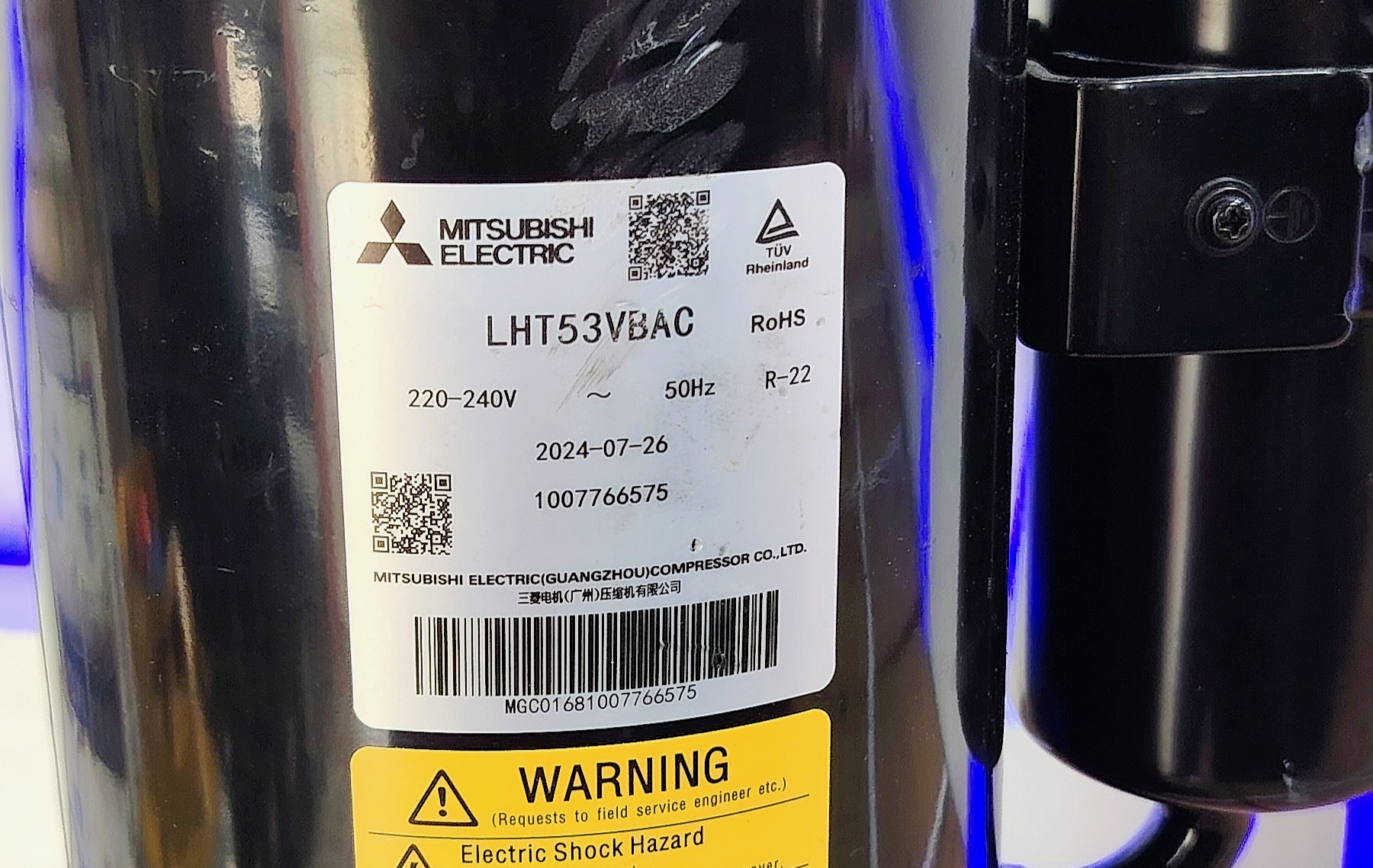
What Is the Mitsubishi LHT53VBAC Compressor?
The Mitsubishi LHT53VBAC is a 2.5-ton rotary compressor designed for residential and light commercial air conditioning systems. Mitsubishi has built a solid reputation for producing compressors that deliver dependable cooling while maintaining low operating noise and good energy efficiency.
Unlike older reciprocating compressors that create more vibration, rotary compressors operate with fewer moving parts. That means smoother performance, quieter operation, and reduced wear over time.
For many HVAC professionals, Mitsubishi compressors have become a trusted choice because they often last for years when installed correctly and maintained properly.
Main Features
Some of the standout features include:
- 2.5-ton cooling capacity
- Rotary compressor design
- Smooth and quiet operation
- High cooling efficiency
- Reliable performance during continuous operation
- Durable internal components
- Suitable for residential and commercial split AC systems
- Designed for long service life with proper maintenance
One thing I personally appreciate is how quietly these compressors run once they’re properly installed. Customers often notice the difference immediately after replacement.

Typical Specifications
Although specifications can vary depending on the equipment manufacturer, the Mitsubishi LHT53VBAC generally offers characteristics similar to the following.
| Specification | Details |
|---|---|
| Brand | Mitsubishi |
| Model | LHT53VBAC |
| Capacity | 2.5 Ton |
| Compressor Type | Rotary |
| Application | Split Air Conditioner |
| Cooling | High Efficiency |
| Operation | Continuous Duty |
| Installation | Professional HVAC Installation Recommended |
Always verify the model number and electrical specifications against your existing unit before purchasing.
Where Is This Compressor Used?
This compressor is commonly found in:
- Residential split air conditioners
- Villas and apartments
- Office cooling systems
- Small retail shops
- Clinics
- Light commercial buildings
Its cooling capacity makes it suitable for medium-sized spaces where reliable cooling is needed throughout the day.
Performance in Daily Use
From practical experience, one thing I’ve noticed with Mitsubishi compressors is how consistently they maintain indoor temperature.
Instead of frequently starting and stopping, they tend to operate more smoothly when the system is correctly sized.
That results in:
- Better comfort
- Lower noise
- Less stress on electrical components
- Improved compressor lifespan
I’ve also seen systems using Mitsubishi compressors recover room temperature faster after doors have been left open or during extremely hot afternoons.
Installation Tips
A compressor replacement isn’t simply about swapping parts.
Whenever I install a new compressor, I follow a checklist that has saved me from repeat service calls many times.
Step 1: Confirm Compatibility
Always verify:
- Model number
- Cooling capacity
- Electrical rating
- Refrigerant compatibility
- Pipe connections
Installing an incompatible compressor can damage the system.
Step 2: Replace the Filter Drier
This is one of the most overlooked steps.
A contaminated refrigeration system can quickly damage a brand-new compressor.
Replacing the filter drier helps remove:
- Moisture
- Dirt
- Acid contamination
Skipping this inexpensive part can become a very expensive mistake.
Step 3: Perform a Proper Vacuum
Never rush this process.
Use a quality vacuum pump and micron gauge if available.
Removing moisture from the refrigeration circuit protects compressor oil and improves overall system reliability.
Step 4: Check Refrigerant Charge
Both undercharging and overcharging reduce cooling performance.
Always charge according to the manufacturer’s recommendations.
After charging:
- Measure suction pressure
- Measure discharge pressure
- Check superheat
- Check subcooling
- Measure compressor current
These readings tell you far more than simply judging cooling by feel.
Step 5: Monitor Initial Operation
After installation, allow the unit to run for at least 20–30 minutes.
Watch for:
- Stable pressures
- Normal amp draw
- Quiet operation
- Proper airflow
- Correct indoor temperature
If everything remains stable, the installation is usually successful.
Common Problems That Are Often Misdiagnosed
I’ve attended service calls where homeowners believed the compressor had failed.
Surprisingly, the compressor was perfectly healthy.
Some common issues include:
Dirty Condenser Coil
A clogged outdoor coil causes:
- High head pressure
- Poor cooling
- Increased power consumption
Cleaning the coil often restores normal operation.
Weak Capacitor
A failing capacitor may prevent the compressor from starting.
Before replacing the compressor, always test the capacitor using a digital multimeter or capacitance meter.
Refrigerant Leak
Low refrigerant produces symptoms similar to compressor failure.
Signs include:
- Ice formation
- Poor cooling
- Long running cycles
- Low suction pressure
Leak detection should always come before compressor replacement.
Electrical Problems
Loose terminals, burnt contactors, faulty overload protectors, or damaged wiring can all imitate compressor failure.
I’ve solved several “compressor failures” simply by replacing a worn contactor.
Maintenance Tips for Longer Compressor Life
Routine maintenance goes a long way toward protecting your investment.
Here are a few habits that make a real difference.
Keep the Outdoor Unit Clean
Leaves, dust, and debris reduce airflow.
Cleaning the condenser regularly improves efficiency.
Wash Air Filters
Dirty indoor filters restrict airflow.
Poor airflow makes the compressor work much harder.
Cleaning filters every few weeks during heavy use is a simple way to improve system performance.
Monitor Refrigerant Levels
Low refrigerant doesn’t just reduce cooling.
It also forces the compressor to operate under conditions it wasn’t designed for.
Always repair leaks before recharging.
Inspect Electrical Connections
Loose electrical terminals generate heat.
A quick inspection during routine servicing can prevent expensive failures later.
Schedule Professional Servicing
An annual inspection helps identify:
- Electrical issues
- Refrigerant leaks
- Fan problems
- Pressure abnormalities
- Early compressor wear
Small problems are much cheaper to fix than major breakdowns.
Advantages of the Mitsubishi LHT53VBAC
After working with Mitsubishi compressors over the years, these are the strengths I appreciate most.
Reliable Cooling
Even during long operating hours, cooling remains consistent.
Quiet Performance
The rotary design significantly reduces operating noise compared to many older compressor designs.
Good Energy Efficiency
Efficient compression helps reduce electricity consumption when paired with a properly maintained AC system.
Strong Build Quality
Internal components are built for continuous operation under demanding conditions.
Trusted Brand
Mitsubishi compressors are widely recognised for quality, making replacement parts and technical support easier to find in many HVAC markets.
Common Buying Tips
Before ordering a replacement compressor, double-check these items:
- Exact model number
- Tonnage
- Voltage
- Refrigerant type
- Pipe size
- Mounting dimensions
- Warranty coverage
Buying solely based on appearance is a mistake I’ve seen more than once.
Two compressors may look nearly identical but have completely different electrical or refrigeration specifications.
Is the Mitsubishi LHT53VBAC Worth Buying?
If you need a dependable 2.5-ton rotary compressor for a compatible split air conditioning system, the Mitsubishi LHT53VBAC is a strong option. Its combination of quiet operation, reliable cooling, and durable construction makes it suitable for both residential homes and light commercial applications. Like any compressor, its lifespan depends heavily on correct installation, proper refrigerant charging, and regular maintenance. When those basics are done right, this model can provide years of efficient and trouble-free service, making it a worthwhile investment for anyone looking to restore an air conditioning system to peak performance.