
A few years ago, I received a service call from a small office where the air conditioner had stopped cooling during one of the hottest weeks of the year. The owner was convinced the entire AC system needed replacing because it had become noisy and struggled to cool the room. After checking the electrical components, refrigerant pressure, and compressor windings with my digital multimeter, I discovered the problem was a worn-out compressor. Replacing it with a compatible Mitsubishi RHT313VAQT 1PH-R22 compressor brought the system back to life. Within an hour, the room was comfortably cool again, and the customer avoided the expense of replacing the whole air conditioner. Mitsubish Compressor RHT313VAQT 1PH-R22.
That job reminded me that a reliable compressor is the heart of any cooling system. When it fails, even the best air conditioner cannot do its job. If you’re considering the Mitsubishi Compressor RHT313VAQT 1PH-R22, this guide will help you understand its features, common applications, installation tips, and maintenance advice.
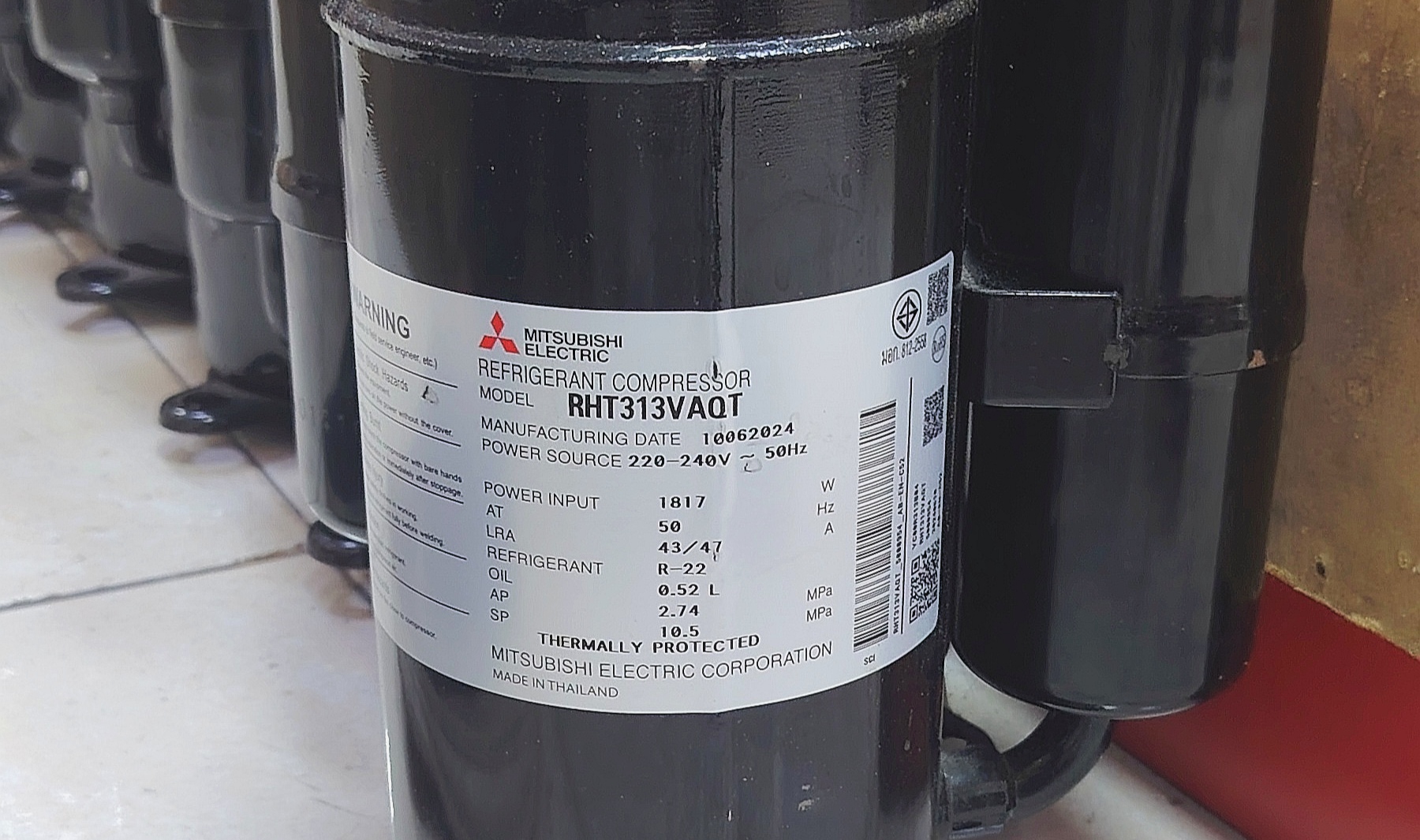
What Is the Mitsubishi RHT313VAQT 1PH-R22 Compressor?
The Mitsubishi RHT313VAQT is a single-phase (1PH) rotary compressor designed for air conditioning systems that operate with R22 refrigerant. Mitsubishi compressors are known for their smooth operation, dependable performance, and long service life when installed correctly. Mitsubish Compressor RHT313VAQT 1PH-R22.
Although R22 refrigerant is being phased out in many countries, many existing air conditioning systems still use it. When repairing these systems, replacing a failed compressor with the correct compatible model is often the most practical solution.
Key Features
The Mitsubishi RHT313VAQT offers several benefits that make it a trusted choice among HVAC technicians.
Reliable Cooling Performance
This compressor is designed to deliver stable cooling performance, even during long operating hours in hot climates.
Single-Phase Power Supply
Since it operates on a 1-phase electrical supply, it is suitable for many residential and small commercial air conditioning systems.
Rotary Compressor Design
The rotary mechanism provides smoother operation with fewer moving parts than older reciprocating compressors.
Low Noise
One thing I’ve personally noticed after replacing older compressors with Mitsubishi rotary models is how much quieter the outdoor unit becomes.
Durable Construction
High-quality internal components help reduce wear and improve long-term reliability.
Typical Specifications
Specifications may vary slightly depending on the equipment manufacturer, but the compressor generally includes the following characteristics.
| Specification | Details |
|---|---|
| Brand | Mitsubishi |
| Model | RHT313VAQT |
| Compressor Type | Rotary |
| Power Supply | 1 Phase |
| Refrigerant | R22 |
| Application | Split Air Conditioner |
| Cooling | High Efficiency |
| Installation | Professional HVAC Installation Recommended |
Always verify the model number, voltage, and refrigerant compatibility before purchasing.
Where Is It Commonly Used?
The Mitsubishi RHT313VAQT is often installed in:
- Residential split AC systems
- Apartments
- Villas
- Small offices
- Retail shops
- Light commercial cooling systems
Its dependable operation makes it suitable for locations where air conditioning runs for many hours each day.
My Experience with This Compressor
Over the years, I’ve installed several Mitsubishi rotary compressors in both homes and commercial buildings. One thing I consistently appreciate is how smoothly they start after installation when the refrigeration system has been cleaned properly.
I once replaced a compressor without changing the filter drier because the customer wanted to save money. A few months later, moisture contamination caused another system issue. Since then, I never skip replacing the filter drier during compressor replacement. It is a small part that can protect a much larger investment.
Step-by-Step Installation Tips
Installing a compressor involves much more than simply brazing a few pipes together.
Step 1: Confirm Compatibility
Check the following before installation:
- Compressor model
- Voltage
- Refrigerant type
- Pipe connection sizes
- Mounting points
Using the wrong compressor can damage the system.
Step 2: Replace the Filter Drier
Always install a new filter drier.
It removes:
- Moisture
- Dirt
- Acid contamination
This simple step helps protect the new compressor.
Step 3: Pressure Test the System
Before charging refrigerant, perform a pressure test with dry nitrogen.
This helps identify leaks before the system is placed into operation.
Step 4: Pull a Deep Vacuum
Using a quality vacuum pump removes moisture and air from the refrigeration circuit.
Skipping this step can shorten compressor life.
Step 5: Recharge with the Correct Refrigerant
Since this compressor is designed for R22 refrigerant, charge the system according to the manufacturer’s recommendations.
Avoid overcharging or undercharging.
Step 6: Check System Performance
After startup, monitor:
- Suction pressure
- Discharge pressure
- Compressor current
- Air outlet temperature
- Noise level
Stable readings usually indicate a successful installation.
Common Problems That Are Often Misdiagnosed
Many compressors are replaced when another component is actually causing the problem.
Dirty Condenser Coil
A blocked condenser increases operating pressure and reduces cooling efficiency.
Cleaning the outdoor coil often restores normal performance.
Weak Capacitor
A faulty capacitor may prevent the compressor from starting.
Always test the capacitor before replacing the compressor.
Refrigerant Leak
Low refrigerant causes:
- Poor cooling
- Ice buildup
- Long running cycles
- Reduced efficiency
Repair leaks before adding refrigerant.
Electrical Faults
Loose wiring, damaged contactors, or overloaded circuits can create symptoms that resemble compressor failure.
A few minutes with a multimeter can save hours of unnecessary work.
Maintenance Tips
Proper maintenance significantly extends compressor life.
Clean Air Filters Regularly
Dirty filters reduce airflow and increase compressor workload.
Cleaning them every few weeks during peak summer months improves efficiency.
Keep the Outdoor Unit Clean
Leaves, dust, and debris restrict airflow across the condenser.
Wash the outdoor coil carefully during routine servicing.
Check Refrigerant Charge
Incorrect refrigerant levels reduce cooling performance and increase compressor stress.
Always investigate the cause of low refrigerant rather than simply topping it up.
Tighten Electrical Connections
Loose electrical terminals create excessive heat and may eventually damage the compressor.
Inspect connections during annual maintenance.
Schedule Annual Professional Service
A yearly inspection can identify:
- Refrigerant leaks
- Fan motor issues
- Electrical faults
- Pressure abnormalities
- Early signs of compressor wear
Preventive maintenance is almost always cheaper than emergency repairs.
Common Mistakes to Avoid
Even experienced technicians can overlook small details that lead to expensive problems.
Avoid these common mistakes:
- Installing the wrong compressor model
- Reusing an old filter drier
- Skipping the vacuum process
- Charging the wrong amount of refrigerant
- Ignoring refrigerant leaks
- Failing to test electrical components before replacing the compressor
Paying attention to these details can greatly improve system reliability.
Is the Mitsubishi RHT313VAQT Worth Considering?
If you have an air conditioning system designed for R22 refrigerant and need a dependable replacement compressor, the Mitsubishi RHT313VAQT 1PH-R22 is a practical option. Its rotary design offers quiet operation, reliable cooling, and solid durability for residential and light commercial applications. While no compressor is immune to failure, correct installation, proper refrigerant charging, and regular maintenance can help this model deliver many years of dependable service. For homeowners and HVAC professionals alike, it remains a trusted choice for restoring compatible R22 air conditioning systems to reliable working condition.